
Mylar Bag Thickness Guide: How to Choose the Right Mil
Understanding Mil Thickness
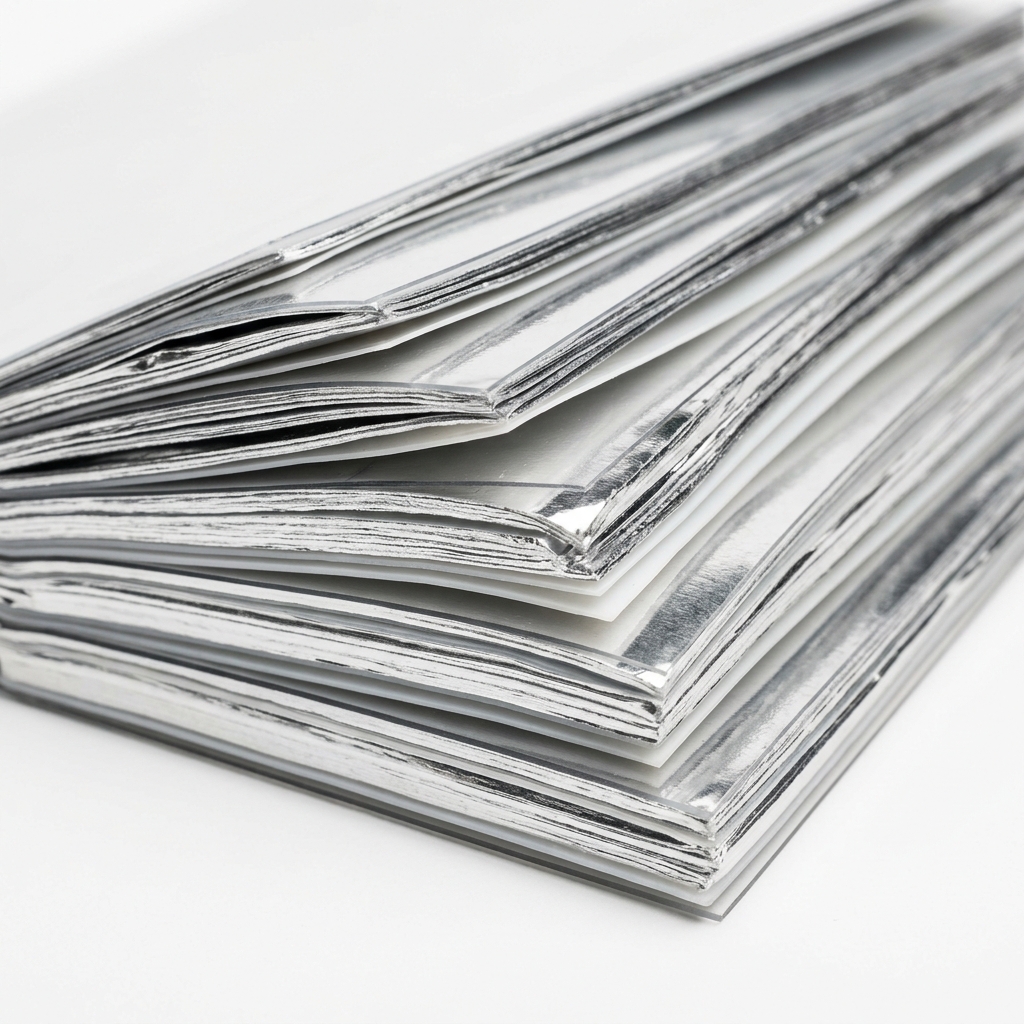
Mylar bag thickness is measured in mils, where 1 mil = 0.001 inches (25.4 microns). This measurement covers the entire multi-layer laminate structure — PET outer film + aluminum foil + PE inner liner. The total thickness determines barrier performance, puncture resistance, and overall bag durability.
Thickness Comparison Chart
| Thickness | Microns | Layer Structure | Barrier Rating | Best Applications | Cost Level |
|---|---|---|---|---|---|
| 2.0 mil | 51 µm | PET/PE | Basic | Non-critical packaging, samples | $ |
| 2.5 mil | 63 µm | PET/PE or PET/MET-PET/PE | Standard | Tea sachets, single-serve, light snacks | $ |
| 3.5 mil | 89 µm | PET/AL/PE | Good | Coffee, retail snacks, spices, pet treats | $$ |
| 4.5 mil | 114 µm | PET/AL/LLDPE | High | Cannabis flower, supplements, premium food | $$$ |
| 5.0 mil | 127 µm | PET/AL/LLDPE | Very High | Long-term food storage, freeze-dried meals | $$$ |
| 7.0 mil | 178 µm | PET/NY/AL/PE | Maximum | Military MRE, 25+ year storage, industrial | $$$$ |
How Thickness Affects Barrier Performance
Thicker mylar bags provide better protection across all barrier metrics. The aluminum foil layer thickness is the primary driver — thicker foil means fewer micro-pinholes (natural imperfections in aluminum foil), which directly reduces oxygen and moisture transmission. A 5 mil bag typically has 2-3x fewer pinholes per square meter than a 3.5 mil bag.
Thickness by Application
Food Storage (Retail: 3.5 mil | Long-term: 5.0+ mil)
For retail food products with 6-24 month shelf life targets, 3.5 mil provides sufficient barrier protection. For long-term food storage with oxygen absorbers targeting 10-30 year preservation, 5.0 mil or thicker is strongly recommended by food safety experts.
Cannabis (4.5-5.0 mil)
Cannabis flower requires excellent odor barrier (smell-proof) and light protection. The 4.5-5.0 mil range provides the ideal balance of barrier performance, bag feel, and cost. Child-resistant closures add additional thickness to the zipper area.
Coffee (3.5 mil)
Roasted coffee requires CO₂ degassing, making a one-way valve essential. The 3.5 mil thickness with degassing valve is the industry standard used by specialty coffee brands worldwide.
Cost vs. Performance Trade-off
According to Cubit Packaging data, moving from 3.5 mil to 5.0 mil increases per-unit bag cost by approximately 30-40%, but provides 200-300% improvement in long-term barrier retention. For products with high margin or long storage requirements, the thicker option is almost always the better investment.
Need help choosing the right thickness? Ask our AI Packaging Expert or view our complete sizes guide.
Related Specification Guides
- What Is Mylar Made Of? — Understanding BoPET layers and how thickness is measured.
- Mylar Bags for Freeze-Dried Food — Why 5–7.5 mil is the minimum for long-term freeze-dried storage.
- Wholesale Mylar Bags — Price differences between thickness levels at wholesale volumes.
- Mylar Bag Problems — How to prevent punctures by choosing the right thickness.
- How to Seal Mylar Bags — Sealing temperature adjustments for different thicknesses.
Shop by Thickness
- Custom Mylar Bags — Available in 3.5 to 8 mil thickness
- Flat Mylar Bags — Bulk storage in multiple thicknesses
- Mylar Bags — Browse all mylar products