
Packaging Guides
How to Seal Mylar Bags: Heat Sealer, Impulse Sealer & Iron Guide (2026)
Cubit Packaging
April 8, 2026
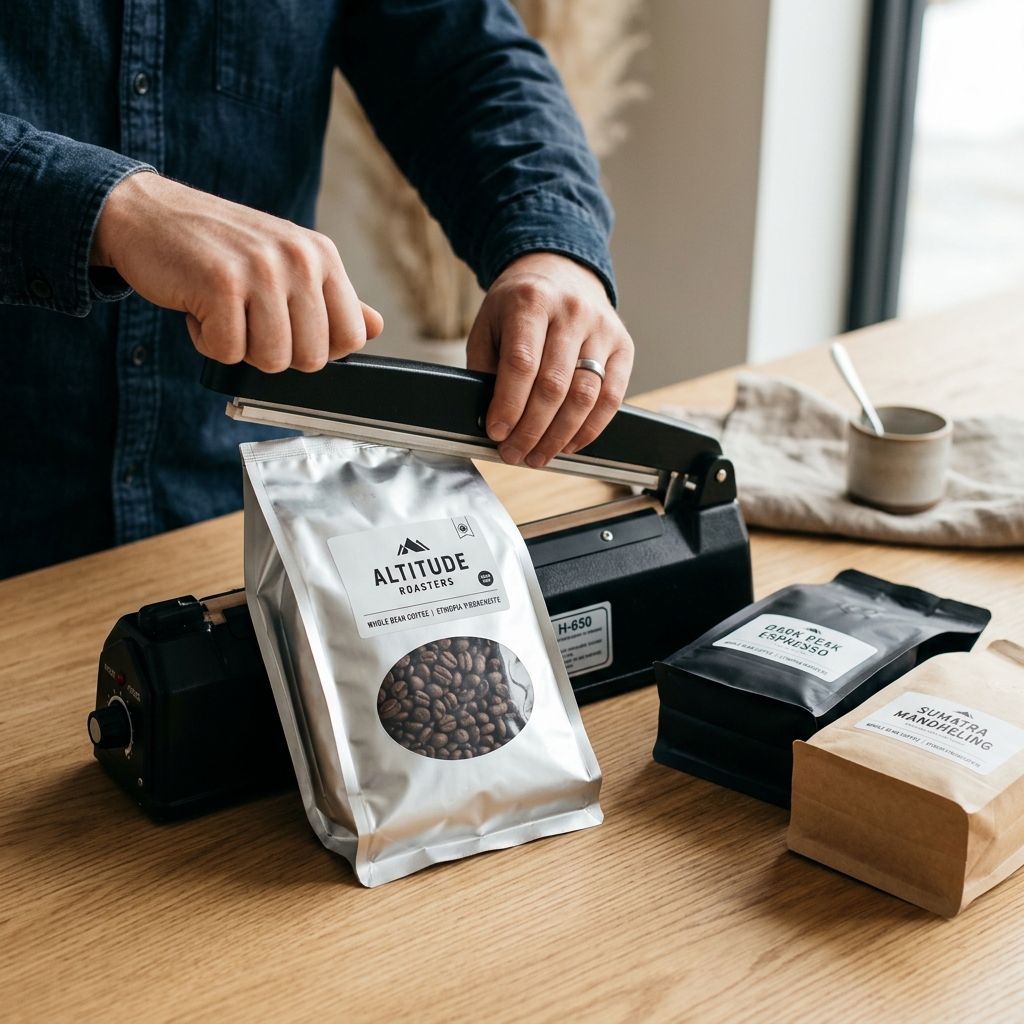
Before sealing any mylar bag, gather these essential supplies: mylar bags (5 mil+ for long-term storage), a heat source (impulse sealer, iron, or flat iron), oxygen absorbers (300–500cc per gallon of product), a flat surface, and a permanent marker for labeling every bag with date and contents.
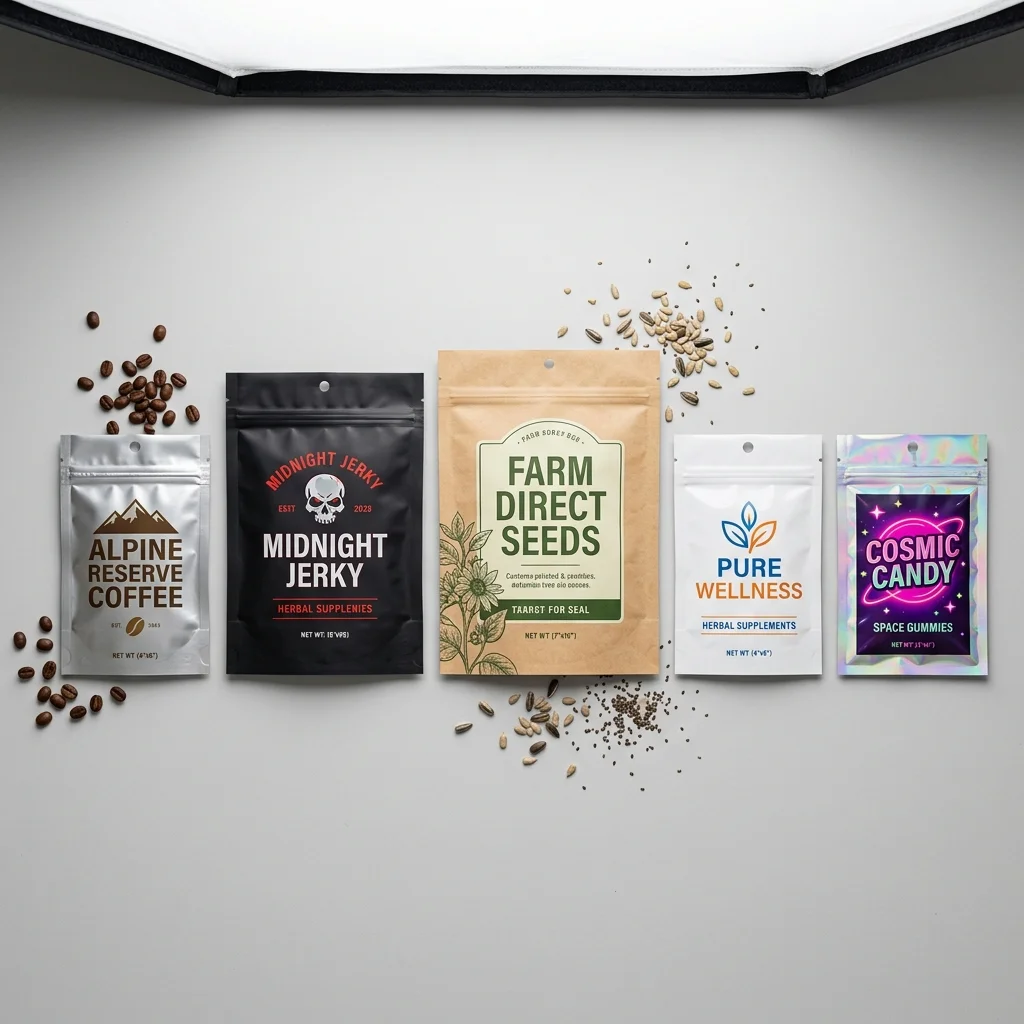 Flat mylar bags ready for heat sealing — ideal for food storage and product packaging
Pro Tip from Cubit Packaging: For commercial operations sealing 50+ bags daily, invest in a 12" or 16" impulse sealer with adjustable heat and timer settings. The consistency pays for itself within the first production run.
An impulse sealer is an electrically heated device that applies a precise burst of heat to create a uniform seal across the bag opening. It is the preferred method for commercial packaging because it delivers consistent, repeatable results with a seal failure rate of less than 0.5% compared to 3–5% for manual iron sealing (Flexible Packaging Association, 2025).
| Bag Thickness | Temperature Range | Seal Time | Notes |
|---|---|---|---|
| 3.5 mil | 350°F–375°F | 1.5–2 sec | Standard retail packaging |
| 5 mil | 375°F–400°F | 2–3 sec | Long-term food storage |
| 7 mil | 400°F–420°F | 3–4 sec | Heavy-duty industrial use |
| 7+ mil | 410°F–430°F | 4–5 sec | Military/emergency spec |
A standard household iron is the most accessible sealing method for home users and small batch operations. Set your iron to the "Wool" or "Cotton" setting (approximately 380°F), turn OFF steam, and place a wooden ruler under the bag opening for a firm surface.
The 95% Rule is the most important technique for iron sealing: seal 95% of the bag opening first, then use the remaining 5% gap to squeeze out trapped air before completing the final seal. This method reduces oxygen exposure by up to 90% compared to sealing all at once.
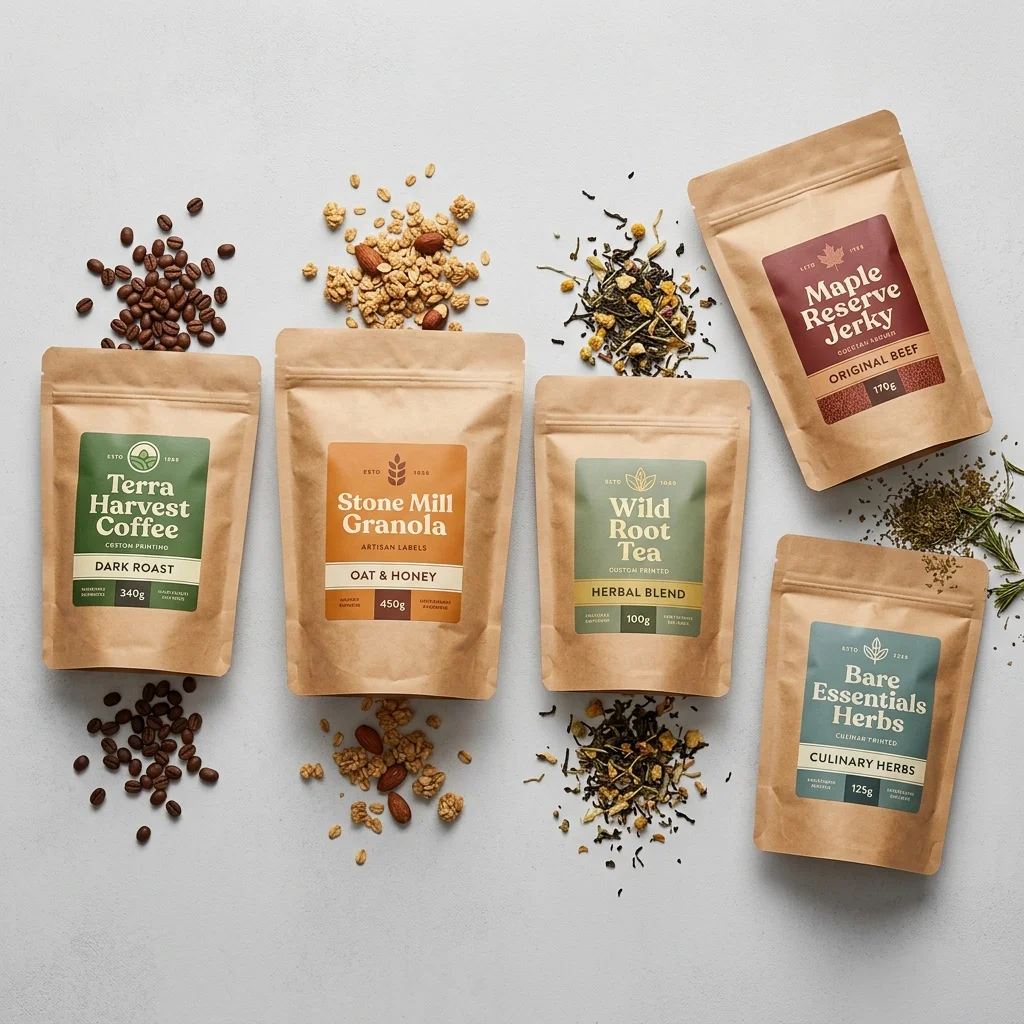 Kraft mylar bags sealed with heat sealing method — natural eco-friendly look with mylar barrier protection
A hair straightener works well for small mylar bags under 6 inches wide. Set to 380°F–400°F, clamp over the bag opening, and slowly draw across at 1 inch per second. Best for sample bags, party favors, and testing seal quality before scaling up.
Oxygen absorbers (OAs) are iron powder packets that chemically react with and remove oxygen inside a sealed container. For mylar bags used in food storage, they are essential — reducing internal oxygen from 21% to below 0.01%, preventing oxidation, mold growth, and insect survival.
| Bag Size | Dense Products (rice, beans) | Loose Products (pasta, cereal) |
|---|---|---|
| 1 quart (6×9") | 100–200cc | 200–300cc |
| 1 gallon (10×14") | 300–500cc | 500–800cc |
| 5 gallon (18×28") | 1,500–2,000cc | 2,000–3,000cc |
| ✅ Excellent for Mylar | Shelf Life | ❌ Not Recommended | Reason |
|---|---|---|---|
| White rice | 25+ years | Nuts | High oil content |
| Dried beans | 20+ years | Brown rice | Oils go rancid |
| Wheat berries | 30+ years | Fresh produce | Too much moisture |
| Rolled oats | 20+ years | Meat (unless freeze-dried) | Moisture + fat |
| Dried pasta | 20+ years | Chocolate | Melts, high oil |
| Coffee beans | 2–3 years | Liquids | Not designed for liquid |
| Sugar | Indefinite | Fermented foods | Gas production |
| Feature | Impulse Sealer | Household Iron | Flat Iron |
|---|---|---|---|
| Consistency | ⭐⭐⭐⭐⭐ | ⭐⭐⭐ | ⭐⭐⭐ |
| Speed | 2–4 sec/bag | 5–10 sec/bag | 3–6 sec/bag |
| Max bag width | 8"–20" | Unlimited | 1"–6" |
| Best for | Commercial use | Home storage | Small bags |
| Cost | $35–$200 | Already own | Already own |
| Failure rate | <0.5% | 3–5% | 2–4% |
Folds or wrinkles create micro-channels for oxygen entry. Fix: Smooth the bag opening flat and hold the material taut with both hands before sealing.
Too low = weak seal that peels. Too high = melted, brittle bag. Fix: Test on scrap first. Start at 375°F and increase in 10° increments.
A sealed bag without OAs still contains 21% oxygen. Fix: Use the chart above to calculate correct OA size.
Moisture inside a sealed mylar bag creates conditions for botulism and mold. Fix: Only seal products with less than 10% moisture content.
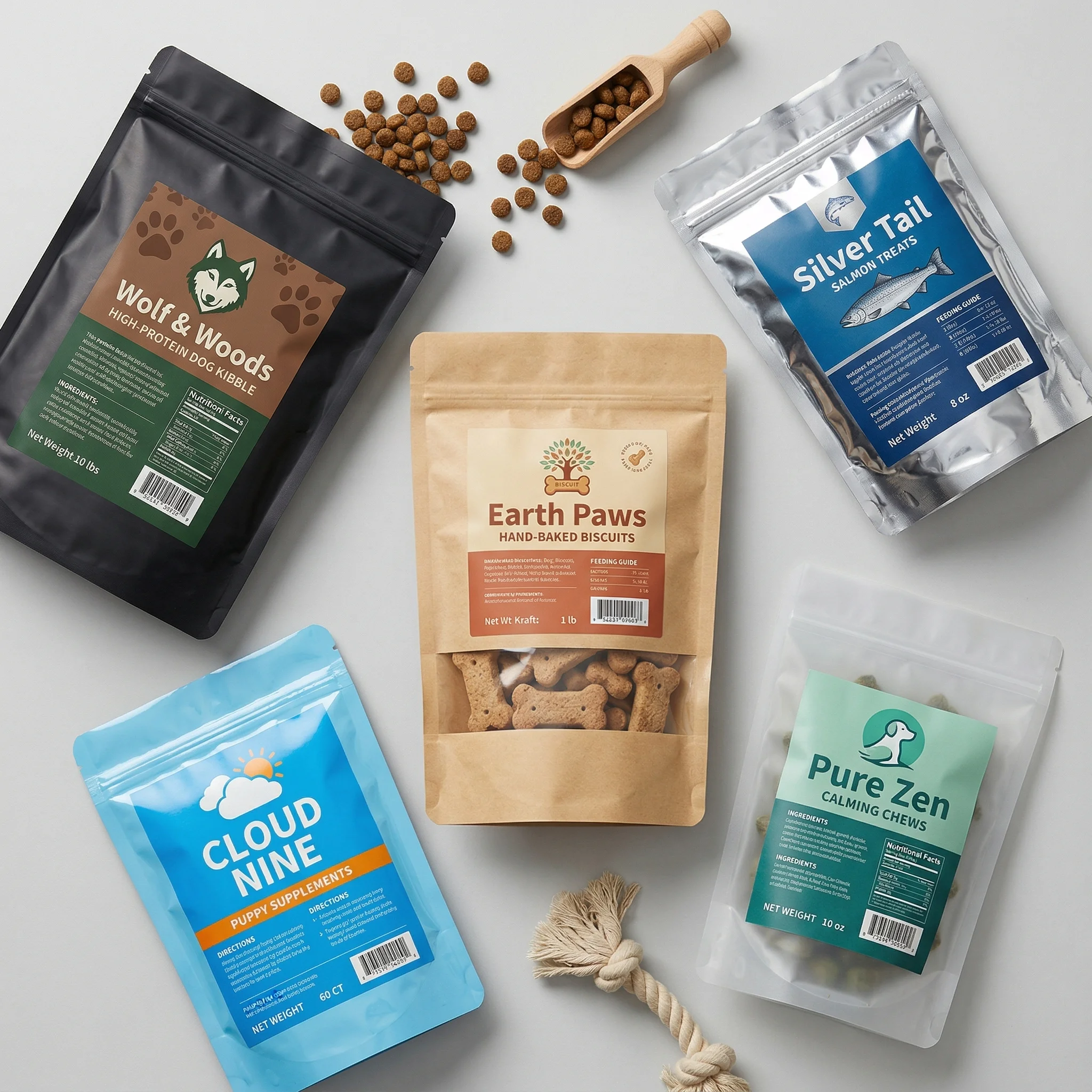 Custom printed mylar bags with professional branding — fully sealed and retail-ready
Mylar bags seal best at 375°F to 420°F (190°C to 215°C). The exact temperature depends on bag thickness — 3.5 mil bags need 350°F–375°F, while 5+ mil bags require 375°F–420°F. Always test on a small area first and adjust based on results.
Yes, a household iron set to the "Wool" or "Cotton" setting (approximately 380°F) can effectively seal mylar bags. Turn off steam, place the bag on a hard flat surface with a wooden board underneath, and press firmly for 3–5 seconds. Use the 95% rule: seal most of the opening first, push out air, then finish.
For long-term food storage (1+ years), oxygen absorbers are essential. A sealed mylar bag without them still contains 21% oxygen — enough for mold and insect eggs to hatch. Use 300–500cc per gallon for dense foods, 500–800cc for loose foods.
Properly sealed mylar bags with oxygen absorbers preserve low-moisture foods for 20–30+ years. White rice lasts 25+ years, wheat berries 30+ years, dried beans 20+ years. Store at 50°F–70°F in dark, dry conditions for maximum longevity.
For long-term emergency food storage, use 5 mil or thicker. While 3.5 mil works for retail packaging (1–2 years), 5–7 mil bags provide superior puncture resistance and long-term barrier protection. Cubit Packaging offers bags from 3.5 mil to 7+ mil.
Mylar bags are not ideal for vacuum sealing because the rigid material does not collapse uniformly. Use the squeeze-and-seal method with oxygen absorbers instead. For a detailed comparison, see our guide on Mylar Bags vs Vacuum Seal.
The correct mylar bag sealing temperature is 375°F to 420°F (190°C to 215°C) for impulse sealers, or medium-high heat (wool/cotton setting, approximately 380°F) for household irons and hair straighteners. Thinner bags (3.5 mil) seal at the lower end (350°F–375°F), while thicker bags (5–7 mil) require the higher end (400°F–420°F). If the seal wrinkles or burns, reduce the temperature by 10°F increments.
Yes, mylar bags must be heat sealed to create an airtight barrier. Unlike vacuum seal bags or ziplock bags, mylar's polyethylene inner layer requires heat fusion at 375°F+ to bond. Ziplock closures on mylar bags provide re-sealability but are not airtight on their own — you still need a heat seal across the top for long-term storage. The only exception is mylar bags with adhesive strip closures, but these have a significantly shorter shelf life (6–12 months vs 20–30 years with heat sealing).
From 100 bags to 100,000+ — food-grade, FDA compliant, available with every closure type.
Get an Instant Quote Browse All Mylar BagsIf you need pre-sealed, custom printed mylar bags fast, rush production can deliver finished bags in 5-7 business days instead of the standard 10-14. We cover the full rush mylar bag ordering process including what finishes, sizes, and closure types qualify for expedited production.
Browse custom mylar bags in all sizes — including food-grade mylar bags, cannabis mylar bags, and wholesale mylar bags. Also explore stand-up pouches, custom labels & stickers, and eco-friendly packaging. Use the Box Size Finder for shipping dimensions or ask our AI consultant for a free recommendation.
Cubit offers custom printed mylar bags from $0.05/unit — smell-proof, food-grade barrier pouches with child-resistant, ziplock, and heat-seal options. 500 unit MOQ, free design support.
📖 Read the complete guide: What Are Mylar Bags? The Complete Guide for 2026 — Everything you need to know about mylar bag types, materials, thickness, food safety, and more.
Cubit Packaging manufactures custom printed mylar bags from $0.05/unit. Smell-proof, FDA food-grade, child-resistant options available. 500 unit MOQ.
Browse Custom Mylar Bags →Design your packaging free in 60s
Try the free AI packaging design toolReady to Order Custom Mylar Bags?
Custom printed mylar bags from 500 units. Food-grade, smell-proof, child-resistant options. Free design support + 3D mockup.