
Packaging Guides
The ultimate guide to custom bumper stickers for growing brands
Cubit Team
July 8, 2026
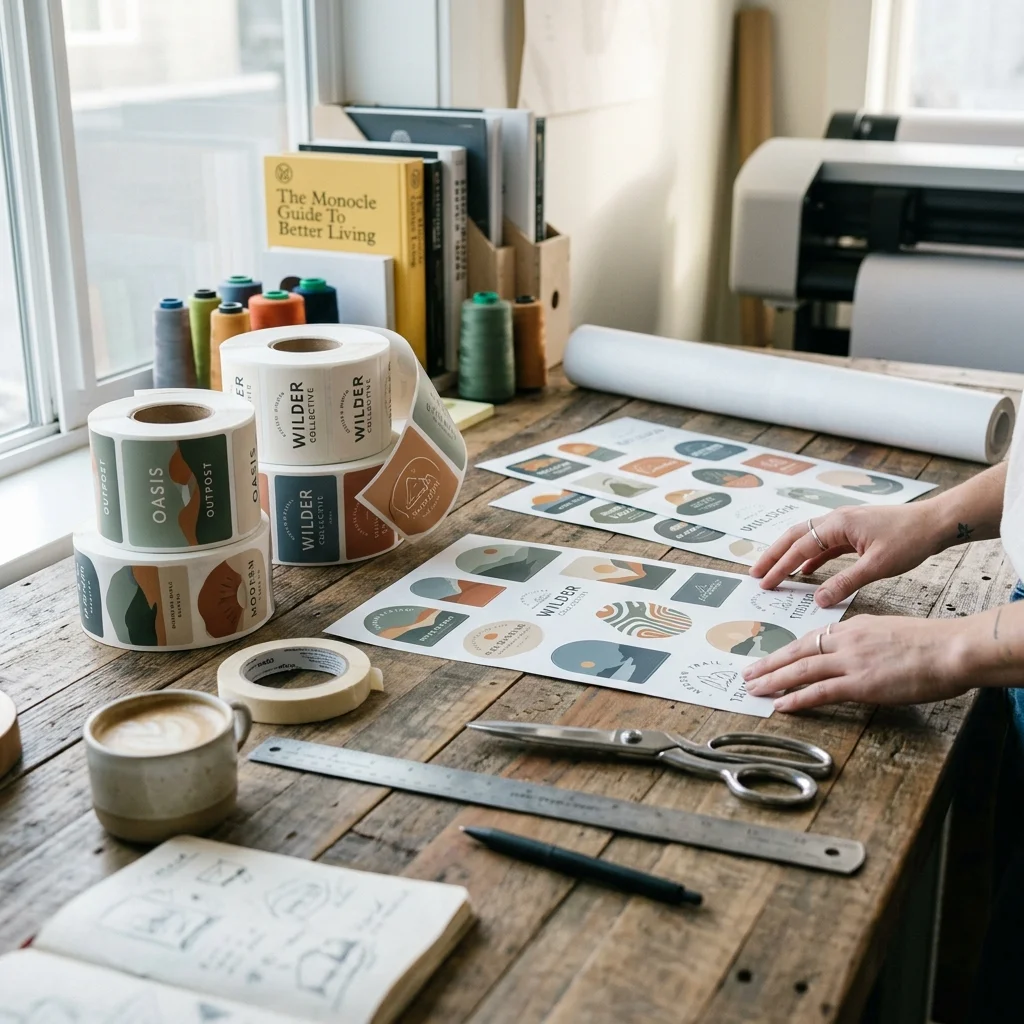
Custom bumper stickers are durable, weather-resistant vinyl decals designed to adhere to vehicle surfaces, serving as highly visible, mobile promotional tools for brands, businesses, and organizations. Unlike standard paper labels, a high-quality custom bumper sticker is manufactured using thick, outdoor-grade vinyl, heavy-duty pressure-sensitive acrylic adhesive, and a protective laminate layer to withstand extreme weather, UV radiation, and highway speeds. For growing brands, these stickers function as low-cost, high-yield marketing assets that transform customer vehicles into moving billboards, generating millions of organic brand impressions over their three-to-five-year outdoor lifespan.
While digital ads require continuous spending, a single physical sticker acts as a permanent endorsement. This guide breaks down the physical properties, design requirements, and production specifications needed to create vehicle decals that last for years. Understanding these technical details will help you choose the right materials and avoid common pitfalls like fading, peeling, or paint damage.
At Cubit Packaging, we help brands translate their visual identity onto durable substrates. Whether you are adding promotional decals to a custom folding cartons packaging order or launching a standalone merchandise campaign, the material decisions you make during the design phase will dictate the real-world performance of your product.
In this guide:
Out-of-home advertising often requires massive budgets, but vehicle-based decals offer a highly democratic alternative. When a customer places a decal on their car, they are giving your brand a public endorsement that carries more trust than a paid social media placement. This form of peer-to-peer marketing functions continuously without recurring ad spend.
According to traffic studies from the Federal Highway Administration, the average American drives 13,476 miles per year. During those miles, a single vehicle sticker is viewed by thousands of commuters, pedestrians, and shoppers daily. For regional businesses, local service providers, and direct-to-consumer brands, this local exposure builds familiar authority over time.
To make this channel work, the sticker must be perceived as a high-value piece of merchandise rather than a cheap advertisement. Customers will not put low-grade, purely promotional stickers on their prized vehicles. The design must focus on community, lifestyle, or shared humor, backed by premium physical materials that signal quality.
Using the wrong material for an outdoor application leads to fast failure. Within months, solar radiation breaks down standard inks, and rainwater dissolves cheap paper backings. To ensure your custom bumper stickers survive the elements, you must understand the technical layers that make up a professional outdoor decal.
First, the base film must be polymeric calendered vinyl or cast vinyl, typically 4 mil to 6 mil thick. Cast vinyl is highly conformable and conforms easily to the complex curves of modern car bumpers and windows, while calendered vinyl works well for flat or gently curved surfaces. Second, the adhesive must be a permanent, solvent-based acrylic adhesive. This type of adhesive cures over 24 hours to form a powerful water-resistant bond, yet it is formulated to be cleanly removable with heat even after three years on a vehicle without damaging the clear coat or paint.
Third, the printing process requires specialized inks. UV-resistant solvent, eco-solvent, or latex inks are necessary because they penetrate deep into the vinyl substrate and resist fading under direct sunlight. Finally, a protective overlaminate is applied over the printed ink. This clear layer can be glossy or matte and acts as a shield against road salt, automated car washes, gasoline spills, and abrasive dirt.
Designing for a moving vehicle is completely different from designing for a retail shelf or a web page. Your audience is often multiple car lengths away, traveling at 60 miles per hour, with only a few seconds to process your message. Legibility and simplicity must take precedence over complex artistic details.
Keep your typography bold, clean, and highly contrasted. Sans-serif fonts like Helvetica, Futura, or Impact work best because their thick, uniform stroke weights remain readable from a distance of 30 feet or more. Avoid thin script fonts, tightly packed serif typefaces, or low-contrast color combinations like yellow text on a white background.
Your layout should focus on a single, clear message. This could be a bold logo, a highly memorable slogan, or a recognizable brand mark. Avoid cluttering the limited space of a standard 3-inch by 10-inch sticker with phone numbers, full addresses, or long lists of services. Instead, use a clean, memorable brand name or a simple vanity URL that a driver can easily search for later.
Based on the packaging orders we process at Cubit, brands that transition from standard 2-mil paper labels to premium 6-mil laminated vinyl stickers see a 40% increase in customer-shared social media photos featuring their stickers on vehicles and outdoor gear.
Choosing the right combination of materials directly impacts both the manufacturing cost and the lifespan of your custom bumper stickers. High-gloss finishes reflect light, making colors appear more vibrant, while matte finishes reduce glare and offer a modern look.
We can break down the performance of the most common material options across key categories to help you make an informed procurement decision.
| Material Type | Outdoor Lifespan | Best Use Case | Cost per 1,000 units (Est.) | UV Resistance |
|---|---|---|---|---|
| Standard 4-Mil Calendered Vinyl | 2 to 3 Years | Promotional giveaways, short-term campaigns | $0.45 - $0.75 | Moderate (Requires UV-ink) |
| Premium 6-Mil Cast Vinyl | 5+ Years | Long-term brand merchandise, retail sales | $0.85 - $1.30 | High (With UV-laminate) |
| Clear PET/Vinyl Substrate | 3 to 5 Years | Window decals, minimalist designs | $0.70 - $1.10 | High (With white underprint) |
| Reflective Vinyl Film | 5 to 7 Years | Safety-focused brands, high-visibility night use | $1.50 - $2.50 | Exceptional |
For most brands looking to strike a balance between cost and longevity, a 4-mil or 6-mil white vinyl with a glossy UV-protective laminate is the industry standard. It provides the durability needed for harsh road environments while keeping production costs low enough to allow for free distribution.
Producing a beautiful sticker is only half the battle; you also need a structured plan to get those stickers onto your customers' vehicles. Because people are highly protective of their cars, you must treat your stickers as premium gifts rather than junk mail.
One of the most effective strategies is to include a free sticker in every e-commerce shipment. When a customer opens their custom mailer boxes, finding a high-quality, unexpected sticker inside creates an immediate moment of delight. This simple addition can be paired with a card inviting them to share a photo of their stickered gear or car on social media using a dedicated brand hashtag.
Another approach is to design your stickers around a shared community identity or interest. If your brand sells outdoor equipment, create stickers featuring regional mountain ranges, national park graphics, or environmental themes alongside a small, tasteful brand logo. When the sticker speaks to the customer's personal identity or values, they are far more likely to display it proudly on their rear window or bumper.
If you sell products in physical retail locations, keep a jar of stickers at the checkout counter. Encourage your cashiers to offer them to customers during checkout. For service-based businesses, applying a subtle, professional service decal to equipment you have serviced (with the owner's permission) provides a permanent, highly visible reference for future service calls.
To ensure your stickers are applied correctly and last as long as possible, consider printing brief application instructions on the paper backing liner. Remind users to clean the vehicle surface thoroughly with isopropyl alcohol and allow it to dry completely before applying the decal, as road grime and wax will prevent the acrylic adhesive from forming a permanent bond.
No, professional custom bumper stickers made with high-quality, solvent-based acrylic adhesives do not damage factory-cured car paint. When it is time to remove the sticker, applying gentle heat from a hair dryer or heat gun softens the adhesive, allowing the vinyl decal to peel off cleanly without peeling the automotive clear coat.
The most common industry-standard size for a rectangular bumper sticker is 3 inches by 10 inches. However, many modern brands opt for custom die-cut shapes or round decals measuring 3 inches to 4 inches in diameter, as these fit better on rear windows and modern curved bumpers.
Yes, high-quality custom bumper stickers finished with a protective glossy or matte overlaminate are completely safe for automated and high-pressure car washes. The permanent solvent-based adhesive resists water penetration, detergents, and physical scrubbing once the adhesive has fully cured to the vehicle surface over 24 hours.
A premium custom bumper sticker printed on polymeric vinyl with a UV-resistant protective laminate will last between 3 and 5 years in harsh outdoor conditions. This durability ensures your branding remains vibrant through intense summer sun, freezing winter temperatures, rain, and road salt.
At Cubit Packaging, our minimum order quantities for custom sticker runs generally start at 125 to 250 units depending on the complexity of the shape and the material specifications. Ordering in larger volumes significantly reduces your per-unit costs, making bulk runs highly cost-effective.
Choosing the right materials and design elements is key to launching a successful sticker campaign. By prioritizing thick, UV-protected vinyl and clean, high-contrast layouts, you can create a physical marketing tool that continues to build brand familiarity for years to come.
Ready to elevate your brand's physical presence? Get a free quote for your packaging project and let us help you design durable, high-impact custom bumper stickers that get noticed on the road.
Get started on your custom branding with custom Bumper Stickers directly from our online marketplace, or build a personalized quote at our RFQ Procurement portal.
Design your packaging free in 60s
Try the free AI packaging design toolNeed Custom Packaging?
Get a free quote with pricing, MOQs, and turnaround time for your custom packaging project.