
Packaging Guides
A practical guide to custom compostable packaging for growing brands
Cubit Team
June 24, 2026
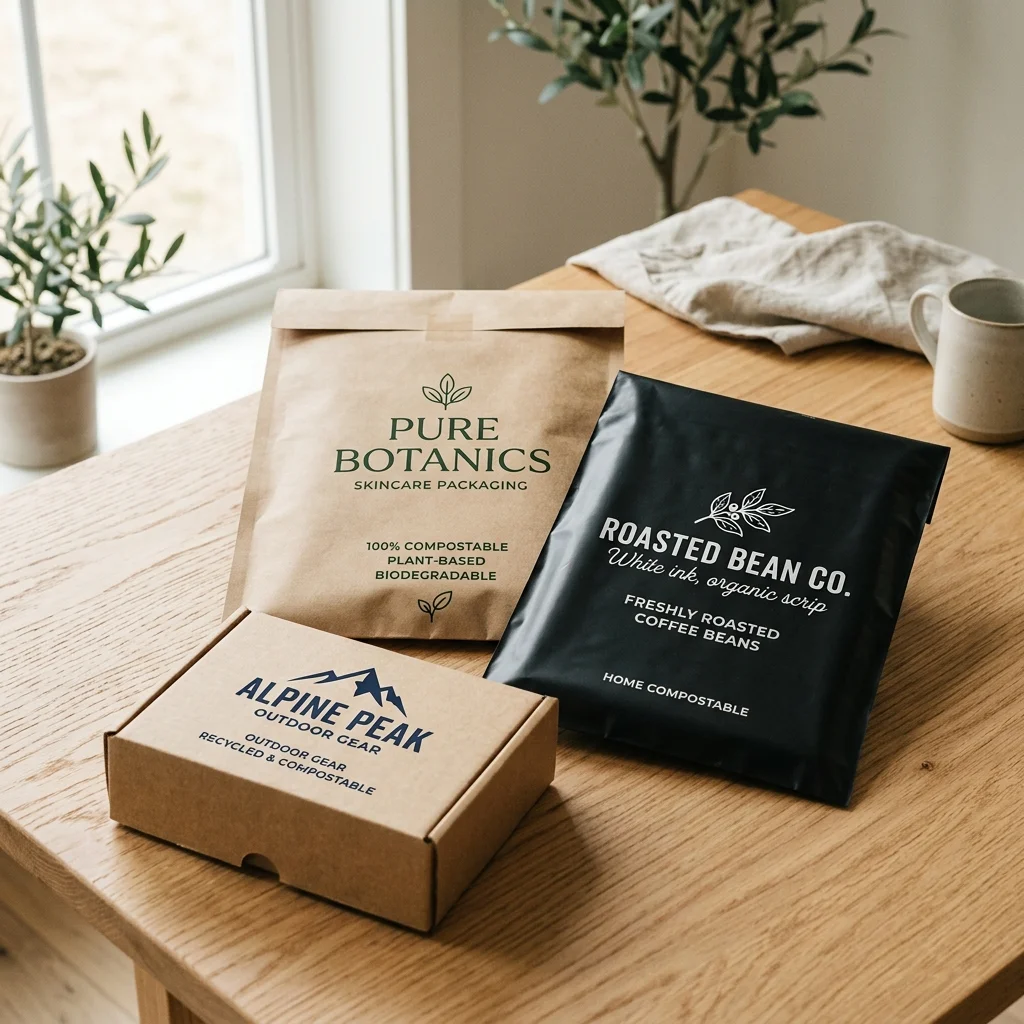
Custom compostable packaging refers to brand-specific, tailored shipping and product containers made from biological materials that break down into nutrient-rich soil without leaving toxic residues behind. To meet international ecological standards, these materials must degrade completely within 90 to 180 days in either home or industrial composting settings. Utilizing custom compostable packaging in your shipping workflow helps your business lower its environmental footprint, meet strict regional plastic bans, and fulfill consumer demand for sustainable operations. This packaging alternative is becoming a standard choice for modern retail and e-commerce companies looking to replace traditional petroleum-based plastics with materials like Forest Stewardship Council (FSC) certified kraft paper, polylactic acid (PLA), and polybutylene adipate terephthalate (PBAT).
Making the transition to these materials requires careful structural planning. It is not just a matter of changing raw material suppliers, as compostable materials behave differently under stress, heat, and moisture compared to traditional plastics. This guide will provide the technical specifications, pricing structures, and regulatory requirements you need to select the right sustainable options for your product lines.
In this guide:
To build a functional packaging suite, you must first understand the base polymers and fiber sources used in biological packaging. Traditional plastics rely on polyethylene (PE) or polypropylene (PP), which can persist in environment systems for centuries. In contrast, certified compostable materials rely on plant-derived starches, cellulose, or compostable synthetic polyesters that microorganisms can easily digest.
Polylactic acid (PLA) is one of the most common bioplastics used in modern packaging. It is derived from fermented plant starch, usually corn, cassava, or sugarcane. PLA is highly transparent and rigid, making it a common choice for clear windows in custom shipping boxes and clear linings in paper cups. However, PLA has a relatively low melting point of around 60°C, which means it can warp if stored in hot warehouses or transit trucks during summer months.
To solve the brittleness of pure PLA, manufacturers blend it with polybutylene adipate terephthalate (PBAT). PBAT is a random copolymer derived from petrochemicals, but it is engineered to be completely compostable under biological conditions. It provides the flexibility, elongation, and tear resistance that PLA lacks, making the blended material ideal for shipping mailers. For fiber-based packaging, natural kraft paper certified by the Forest Stewardship Council (FSC) is the primary building block, often treated with water-based coatings to provide oil and moisture resistance.
Not all compostable materials break down in the same way or under the same environmental conditions. This is a common point of confusion for brands and consumers alike. If a customer throws an industrially compostable mailer into their backyard compost bin, the pack may remain intact for years because backyard piles do not generate the heat required to break down complex biopolymers.
Industrial composting facilities maintain highly controlled environments. These facilities keep temperatures between 55°C and 60°C, ensure high moisture levels, and actively manage oxygen levels to support thermophilic bacteria. Under these conditions, heavy bioplastics break down quickly. Home composting piles depend on local ambient temperatures, which rarely exceed 30°C, and have much lower microbial activity.
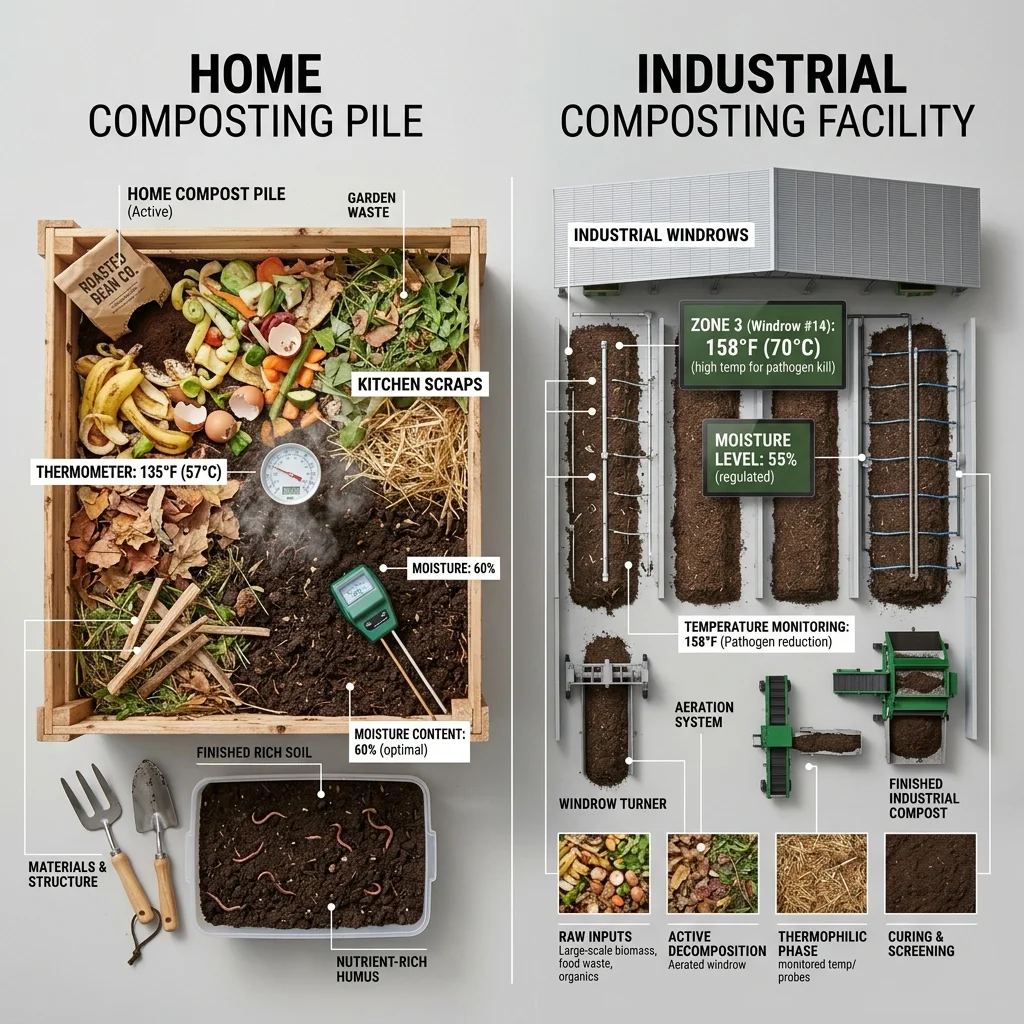 Comparison of home and industrial composting conditions for packaging materials
Understanding these environments dictates which materials you should choose for your brand. The table below outlines the operational differences between these two degradation pathways.
| Feature | Home Composting | Industrial Composting |
|---|---|---|
| Temperature Required | Ambient temperatures (up to 30°C) | Thermophilic temperatures (55°C to 60°C) |
| Timeframe for Degradation | Within 360 days (12 months) | Within 180 days (6 months) |
| Common Materials | Natural paper, thin cellulose, starch blends | Heavy PLA sheets, PLA-lined cups, thick bioplastics |
| Standard Certification | TÜV AUSTRIA OK compost HOME | ASTM D6400, EN 13432, BPI Certified |
| Microbial Environment | Low to moderate bacterial density | High thermophilic bacterial density |
Selecting a material that matches your customers' disposal access is critical. If your target demographic lives in municipal areas with compost collection programs, industrially compostable options are highly effective. If your customer base is rural or lacks municipal composting access, prioritizing home-compostable paper and thin starch-based films will ensure the packaging is disposed of correctly.
When evaluating materials for your shipping needs, you must balance physical durability with biological degradation. If a mailer breaks open during transit, the sustainable nature of the material will not make up for a damaged product. For flexible shipping options, compostable mailers made from a blend of PBAT and corn starch are the industry standard.
We have found that a film thickness of 0.08 mm (80 microns) is the ideal specification for bioplastic mailers. This thickness provides the puncture resistance required to handle rough sorting machinery while remaining thin enough to break down in a backyard compost pile within 180 days. If the film is too thin, sharp product corners can easily pierce the bag during shipping.
For rigid products, structural paperboards and corrugated boxes remain the most dependable choice. Unbleached kraft paperboard, made with 100% post-consumer recycled fiber, is naturally compostable. You can pair these boxes with water-activated paper tape and starch-based protective loose-fill instead of plastic bubble wrap. This approach ensures that the entire shipping assembly can be thrown directly into a backyard compost bin without requiring the customer to separate different material types.
Transitioning to sustainable packaging carries a price premium that brands must budget for. Bioplastic resins like PLA and PBAT are more expensive to produce than standard low-density polyethylene (LDPE). Understanding the exact cost variance at different production volumes will help you avoid unexpected margin compression.
At lower order volumes, the cost difference is most visible. Custom compostable packaging made from PBAT and corn starch typically costs 15% to 30% more than standard low-density polyethylene plastic bags at order volumes below 5,000 units. For example, a standard poly mailer might cost $0.25 per unit, whereas a compostable alternative of the same size and thickness could cost $0.35 per unit.
Based on the packaging orders we process at Cubit, we have found that brands transitioning to compostable options see an average 8% increase in initial packaging costs, but experience a 12% rise in brand recommendation scores from eco-conscious buyers within six months of deployment.
By increasing order volumes of compostable mailers to 10,000 units or more, brands can reduce the unit price from $0.65 to approximately $0.38 per unit. This reduction is driven by the efficiencies of rotogravure and flexographic printing presses, where setup times and plate costs are amortized over larger production runs. Over time, the cost gap between bio-resins and petroleum-derived resins continues to close as manufacturing capacity expands globally.
Designing artwork for compostable surfaces requires a different technical approach than designing for standard plastics or bleached white cardboard. You must consider how ink chemistry and coverage affect the compostability of the final product. Traditional packaging inks contain heavy metals like lead, cadmium, and hexavalent chromium, which leach into the soil and kill off beneficial microorganisms.
To maintain compliance with composting standards, you must use soy-based or water-based inks. These inks use natural pigments and vegetable oils that degrade safely without leaving toxic chemical residues. Water-based inks perform exceptionally well on natural kraft paper, sinking into the fibers to create a soft, organic look. However, they may appear less vibrant than solvent-based synthetic inks.
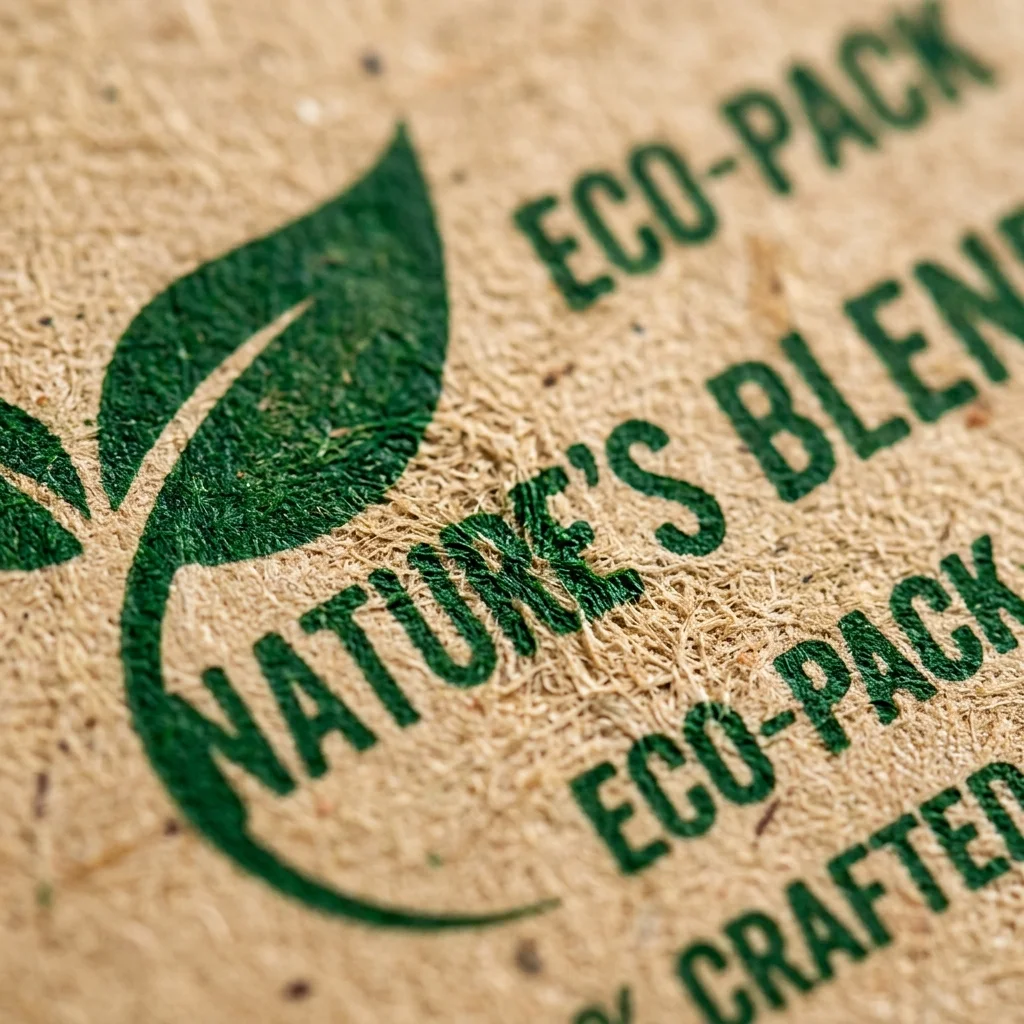 Close-up of water-based ink printing on natural kraft paperboard
Ink coverage is also a factor in the final certification process. If the printed area exceeds 5% of the total weight of the packaging component, the item may fail eco-toxicity tests during laboratory certification. For this reason, we recommend minimalist designs. Use line art, clean typography, and open spaces instead of full-coverage solid background prints. This design choice protects the environment, speeds up biodegradation, and saves on ink costs during production. You can collaborate with our custom design team to optimize your artwork files for these specific print requirements.
Greenwashing is a serious risk in the packaging industry. Many suppliers label their products as "biodegradable" or "eco-friendly" without backing up those claims with third-party testing. Biodegradable simply means a material will break down into smaller pieces over an unspecified timeframe, often creating microplastics. Compostable is a legal term that requires the material to degrade within a specific timeframe without leaving harmful residues.
To protect your brand from legal liability and consumer backlash, always demand verified test reports from recognized certification bodies. The primary standard for compostable plastics in the United States is the ASTM D6400 standard. In Europe, the equivalent standard is EN 13432. These standards require laboratory testing of three variables: biodegradation (conversion of carbon to carbon dioxide), disintegration (physical breakdown of the material), and eco-toxicity (ensuring the resulting compost supports plant growth).
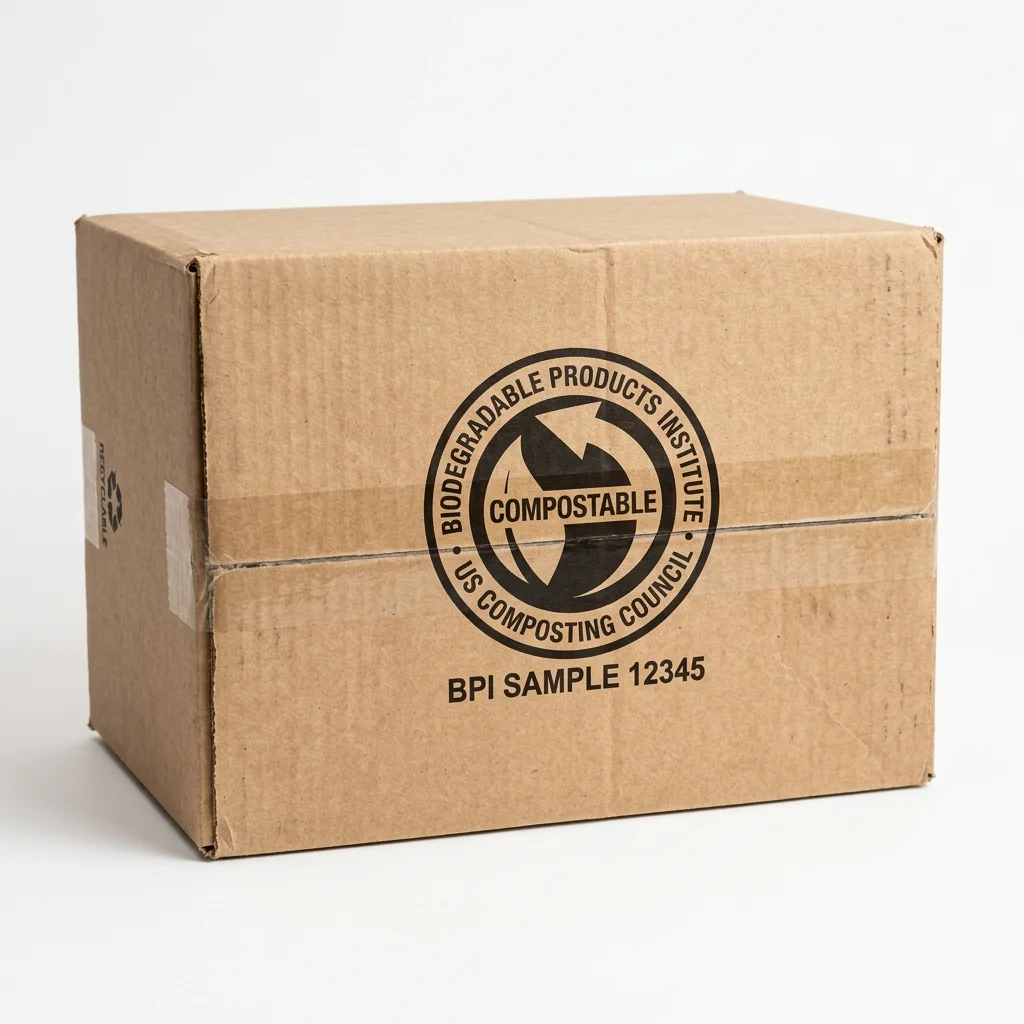 BPI compostable certification logo stamped clearly on the bottom of a cardboard box
Look for certification marks from the Biodegradable Products Institute (BPI) in North America, or the DIN Certco and TÜV AUSTRIA organizations in Europe. These third-party seals verify that the material has passed laboratory testing. If a packaging supplier cannot provide a valid certificate registry number that matches their factory name, you should not trust their environmental claims.
Custom compostable packaging made from bioplastics typically has a shelf life of 10 to 12 months when stored in a cool, dry warehouse. Because these materials are designed to break down under environmental exposure, high humidity and direct sunlight will accelerate their degradation before they reach your customers.
Yes, compostable mailers made from a blend of PBAT and corn starch are highly water-resistant. They protect your products from rain and moisture during transit just as effectively as traditional polyethylene bags, but they will begin to break down once buried in soil or exposed to active compost microbial environments.
Biodegradable materials break down naturally over an undefined period, often fracturing into harmful microplastics. Compostable materials are legally certified to break down completely into organic matter within 180 days in a professional composting facility, leaving zero toxic residues or plastic fragments behind in the soil.
Soy-based inks use organic vegetable oils and natural pigments instead of petroleum bases and heavy metal mineral pigments. This composition ensures that when the packaging breaks down, the inks do not release toxic chemicals like lead or cadmium into the resulting soil mixture.
At Cubit, we manufacture certified custom compostable packaging made from FSC certified paperboards and BPI-certified bioplastics. You can submit your structural specifications directly to our team to receive custom sizes, custom print configurations, and wholesale pricing structures tailored to your volume.
Transitioning your brand to custom compostable packaging is a practical step toward reducing plastic waste and preparing for future environmental regulations. By understanding the mechanical limits of materials like PLA and PBAT, choosing the correct certifications, and designing your artwork around water-based ink constraints, you can build a sustainable shipping workflow that protects both your products and the environment.
If you are ready to update your shipping supplies, we can help you select the exact materials, thicknesses, and printing techniques for your specific product line. Get a free quote for your packaging project today and receive a detailed breakdown of pricing, material samples, and lead times.
Get started on your custom branding with custom Compostable Packaging directly from our online marketplace, or build a personalized quote at our RFQ Procurement portal.
Design your packaging free in 60s
Try the free AI packaging design toolNeed Custom Packaging?
Get a free quote with pricing, MOQs, and turnaround time for your custom packaging project.