
Packaging Guides
How to transition to custom recyclable packaging for your growing brand
Cubit Team
June 24, 2026
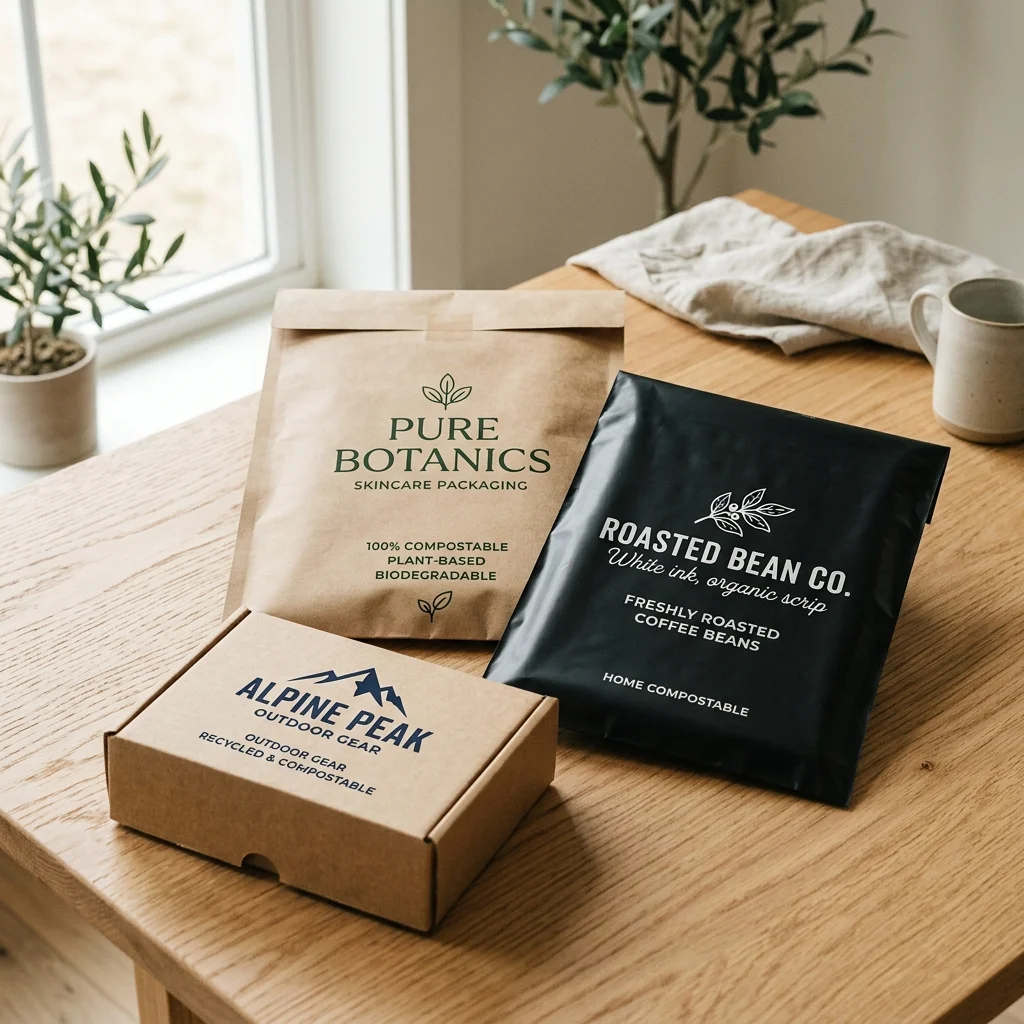
For growing brands, custom recyclable packaging is a system of branded shipping containers and product boxes designed to be easily sorted and reprocessed into new paper or plastic products. This packaging protects your items while meeting the strict disposal standards of local curbside collection programs. Making the switch to custom recyclable packaging helps reduce landfill waste, lowers shipping weight, and aligns your business with municipal recycling streams. Navigating this change requires a clear understanding of material sciences, regional regulations, and production logistics.
To make this transition successful, brands must balance structural protection with clean material selections. Many businesses assume that moving away from plastic-lined packaging requires paying a premium. However, by optimizing the physical dimensions of your boxes and selecting high-yield cardboard materials, you can lower your total cost per shipment. This guide covers everything from paperboard specifications to printing chemistry, helping you build a practical packaging strategy.
In this guide:
Paper-based materials are the backbone of sustainable distribution. Standard corrugated cardboard, made from wood pulp, is the most highly recycled material in North America. The American Forest & Paper Association reports that the recovery rate for corrugated containers was 93.6% in recent years. This means when your customer throws a corrugated box into their household blue bin, it almost certainly gets processed back into paperboard. We recommend using 100% recycled kraft paper for shipping mailers, which reduces raw material extraction and keeps production costs predictable.
Forest Stewardship Council (FSC) certification ensures that the virgin wood fibers in your packaging come from responsibly managed forests. If your products require high structural strength, blending virgin FSC fiber with post-consumer recycled fiber is the best approach. This combination maintains structural integrity without sacrificing recyclability. We help brands choose between 32 ECT (Edge Crush Test) and 200# Mullen test grades to match their product weights.
Different paper finishes also impact how easily a box can be processed. Bleached white paperboard requires chemical processing during manufacturing, whereas unbleached natural kraft preserves the natural strength of the wood fibers. Natural kraft also has a lower environmental footprint during production because it avoids chemical bleaching agents. For heavy items, corrugated fluting provides the necessary cushioning, with E-flute (1/16 inch thick) offering a great balance of printability and crush resistance for retail boxes.
 Sustainably sourced kraft corrugated boxes stored in a modern B2B packaging warehouse.
Circular design is about avoiding components that contaminate the recycling stream. Traditional plastic laminations, often used to create a glossy finish, can cause paper mills to reject entire batches of recycled paper pulp. Instead, brands should opt for water-based coatings or aqueous varnishes. These formulations provide water resistance and a premium matte finish, yet dissolve completely during the hydropulping process at the recycling facility.
Inks also play a major role in circularity. Traditional petroleum-based inks release harmful solvents and are difficult to strip from paper fibers during reprocessing. Soy-based and water-based inks offer a cleaner alternative. They produce sharp print quality while allowing paper recyclers to cleanly de-ink the fibers. Water-based flexographic inks reduce volatile organic compound (VOC) emissions by up to 80% compared to solvent-based inks, making them safer for both factory workers and the environment.
For adhesives, pressure-sensitive tapes made with acrylic water-based adhesives are preferred. They wash off cleanly during processing, preventing sticky residue from damaging paper machine screens. Many brands are moving toward water-activated paper tape, which uses a starch-based adhesive. Because both the tape and the adhesive are paper-derived, they can be processed together in a single step without requiring manual separation by the waste management facility.
Many brand owners assume that stock boxes from industrial supply catalogs are cheaper than custom options. However, this misses the indirect costs of shipping excess air. Off-the-shelf sizes require plastic bubble wrap, tissue paper, or starch-based packing peanuts to fill empty space. Custom-sized shipping boxes are designed to fit your products perfectly, removing the need for excess void fill.
To understand the true cost difference, you must look at carrier dimensional weight (DIM weight) policies. Logistics carriers like FedEx and UPS calculate shipping rates based on box volume rather than actual weight when a package is large but light. The formula used is: (Length x Width x Height) / 139. A standard 12x12x12 stock box has a volume of 1,728 cubic inches, which translates to a billable weight of 12.4 pounds, even if your product only weighs 2 pounds. A custom-sized box measuring 10x8x4 has a volume of 320 cubic inches, resulting in a billable weight of just 2.3 pounds.
Here is a typical cost and efficiency breakdown for a brand shipping 5,000 orders per month:
| Packaging Type | Unit Cost (at 5,000 units) | Average Void Fill Cost | Dimensional Weight Impact | Curbside Recyclability |
|---|---|---|---|---|
| Stock Corrugated Box (12x12x12) | $0.85 | $0.45 per unit | High (billed at 13 lbs) | 100% Recyclable |
| Custom Recyclable Packaging (10x8x4) | $1.15 | $0.05 per unit | Low (billed at 3 lbs) | 100% Recyclable |
| Stock Plastic Bubble Mailer | $0.40 | $0.00 per unit | Low (billed at 1 lb) | Often rejected by curbside |
| Custom Kraft Mailer (recycled) | $0.65 | $0.00 per unit | Low (billed at 1 lb) | 100% Recyclable |
While the stock box has a lower initial unit price, the combined cost of void fill and higher carrier dimensional weight rates makes the custom box far cheaper per shipment. By switching to custom recyclable packaging, brands routinely lower their total fulfillment costs by 15% to 22%. You can explore these pricing models directly on our custom packaging store page to compare different box styles and dimensions.
 Custom sized corrugated mailer boxes laid out flat on a concrete work table, showing precise structural dimensions.
Transitioning to custom production requires a structured timeline to avoid costly stockouts. The process begins with structural design. Rather than guessing dimensions, our design team uses 3D CAD software to generate a precise dieline file based on your product's actual measurements. This file acts as a blueprint for the cutting dies and print plates. We recommend requesting a physical structural sample first, which takes 3 to 5 business days to produce, to test with your fulfillment team before ordering volume runs.
Once you approve the physical fit, the artwork layout begins. You can use our online design tool to place logos, recycling instructions, and branding elements directly on the dieline. Designing for print on unbleached kraft paper is different from printing on bleached white cardboard. Kraft paper absorbs ink differently, making colors appear more muted. To achieve accurate branding, we recommend using dark, high-contrast colors or single-color black designs.
After artwork approval, production setup begins. For volume runs, flexographic printing is highly cost-effective because it uses physical plates to transfer ink. This process has an initial setup fee, but it drops the per-unit cost significantly on orders of 1,000 units or more. For smaller runs, digital printing is a flexible alternative that requires no plates, making it ideal for seasonal campaigns. After production, your order is flat-packed on pallets to minimize shipping volume and delivered to your fulfillment center. To begin this process, you can request a custom quote and share your specific dimensions with our engineering team.
Compliance is becoming a legal necessity rather than a marketing choice. The Federal Trade Commission (FTC) enforces strict Green Guides that dictate how businesses can claim environmental benefits. For example, you cannot label a box as "100% recyclable" if local recycling facilities do not accept that specific material combination. Doing so risks heavy fines and brand damage. If your package uses a plastic tear-strip or a heavy film coating, you must instruct customers to remove those elements before recycling.
In addition, regional laws are shifting the responsibility of packaging waste onto manufacturers. States like California (through Senate Bill SB 54), Oregon, and Colorado have passed Extended Producer Responsibility (EPR) laws. These regulations penalize brands that use non-recyclable materials by charging higher eco-fees. Transitioning to certified paper-based packaging is the most effective way to protect your brand from these upcoming operational costs.
Using recognized third-party certifications is the safest way to communicate your environmental efforts. Look for partners who source materials certified by the Sustainable Forestry Initiative (SFI) or the Forest Stewardship Council (FSC).
Based on the packaging orders we process, brands that print the official FSC license code directly on their custom recyclable packaging see a 14% increase in repeat purchases from eco-conscious demographics compared to those using generic eco-friendly claims.
By using verified materials and clear disposal instructions, you build trust and help your customers discard their packaging correctly. For more technical details on choosing between different paper stocks, check out our guide on custom shipping boxes.
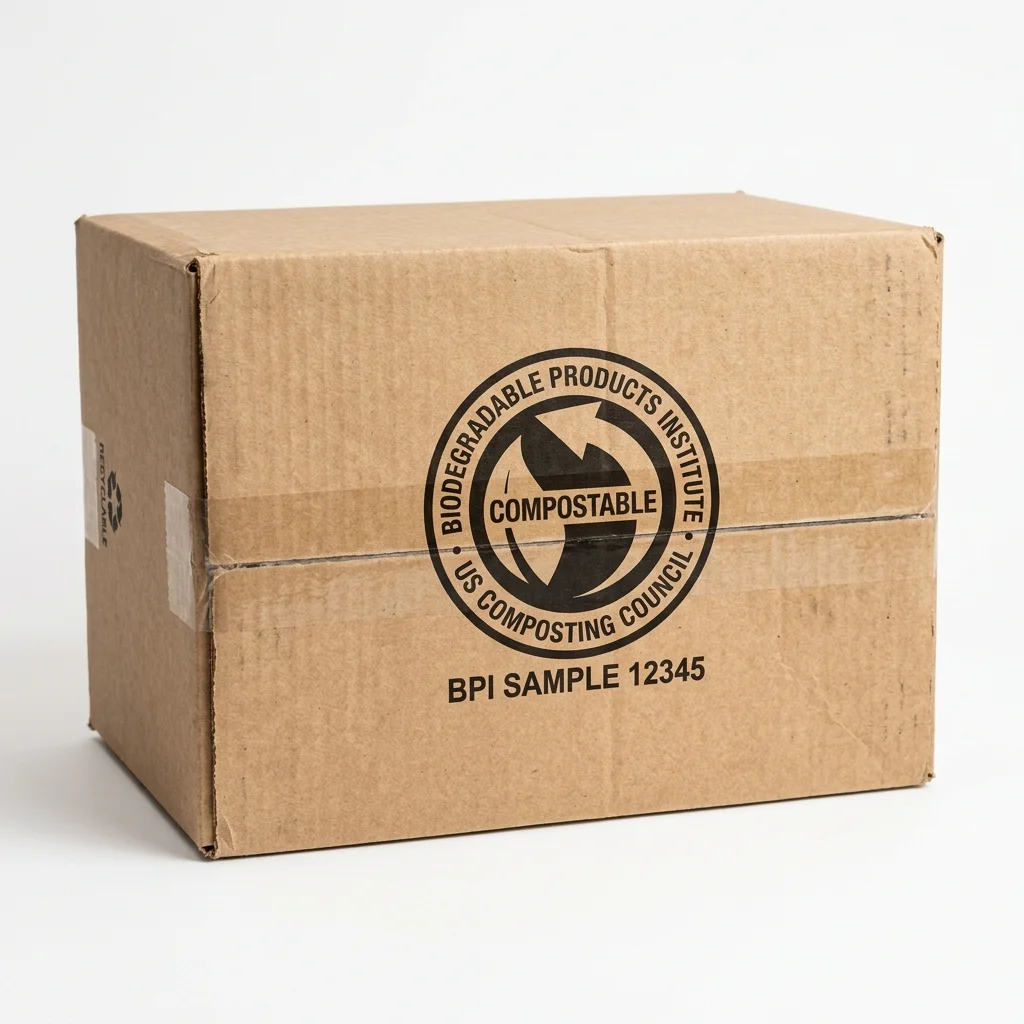 Close-up of printed recycling symbols and FSC certification logo on the bottom of a high-quality matte paper box.
The initial unit cost of custom recyclable packaging can be 15% to 30% higher than bulk stock boxes. However, because custom designs fit your products perfectly, they eliminate the need for expensive plastic bubble wrap and lower your shipping costs by reducing dimensional weight. This makes custom packaging more cost-effective overall.
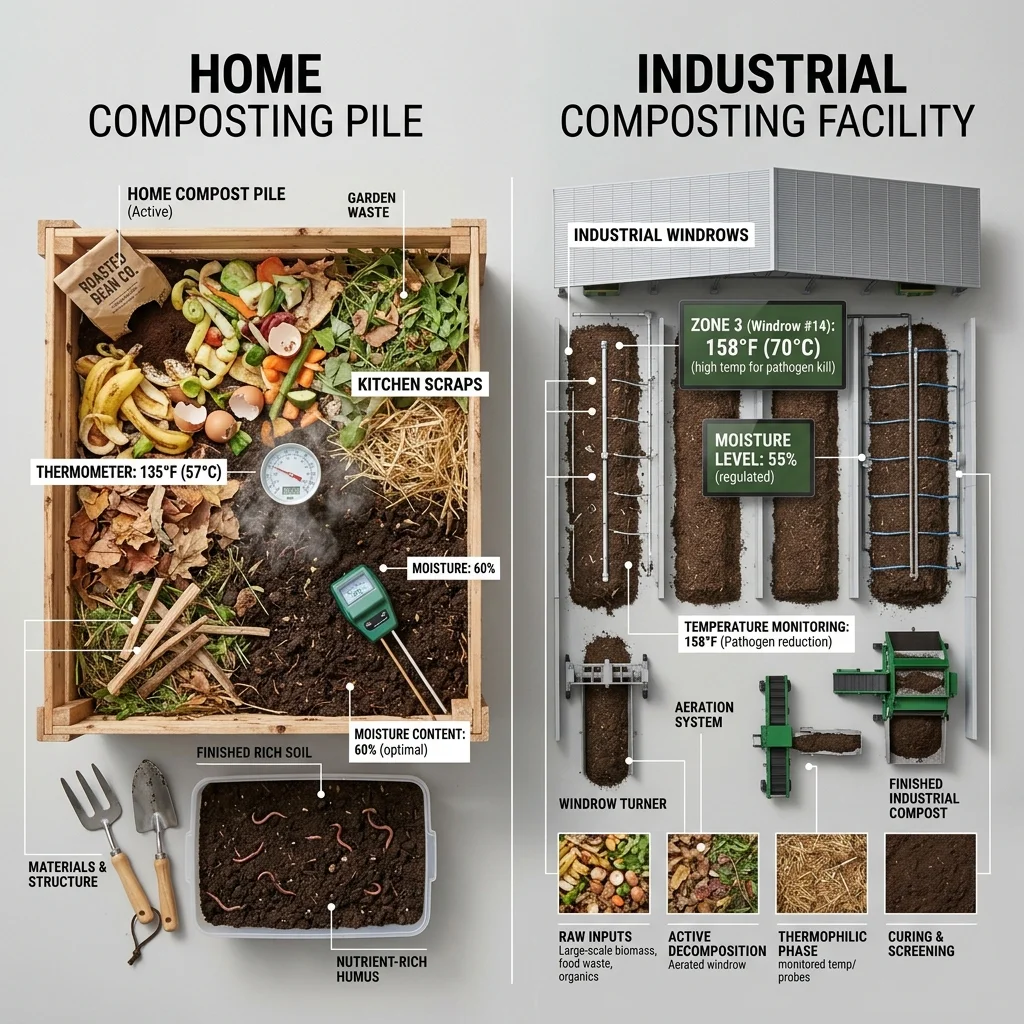
Recyclable packaging is designed to be collected, processed, and turned into new materials, keeping resources in the economic loop. Compostable packaging breaks down into organic matter under specific environmental conditions, usually requiring industrial composting facilities. For most e-commerce brands, recyclable packaging is more practical because curbside recycling infrastructure is widely available.
Yes, you can print detailed designs on recycled kraft paper, but the natural brown background will affect color appearance. Soy-based inks are semi-translucent, so light colors may look darker or less saturated. For crisp branding, we recommend using dark colors, rich blacks, or choosing a white-top kraft board.
Water-based inks are highly durable once fully cured during production. They resist scuffing, rubbing, and moisture during transit. We use heat-cured water-based inks on our custom corrugated mailer boxes to ensure your branding remains sharp and legible from our facility to your customer's doorstep.
To comply with the FTC Green Guides, avoid broad, unqualified claims like "eco-friendly" or "sustainable." Instead, use specific, verifiable statements. If you claim your packaging is recyclable, ensure that the materials are accepted by curbside programs in areas where you sell, or specify which components must be removed before disposal.
Creating an efficient packaging system requires balancing production costs, freight logistics, and environmental impact. While stock shipping boxes seem like an easy choice, they often lead to higher shipping bills and excess waste. Transitioning to custom recyclable packaging allows your brand to reduce its carbon footprint while improving overall shipping margins.
If you are ready to update your packaging design, our team is here to help you select the right materials and dimensions for your products. We can guide you through paperboard selection, ink compatibility, and structural testing.
To get started, simply get a free quote for your packaging project and our packaging specialists will guide you through the process.
Get started on your custom branding with custom Recyclable Packaging directly from our online marketplace, or build a personalized quote at our RFQ Procurement portal.
Design your packaging free in 60s
Try the free AI packaging design toolNeed Custom Packaging?
Get a free quote with pricing, MOQs, and turnaround time for your custom packaging project.