
Cubit News
How Cubit Packaging Works: From Concept to Delivery
Cubit Team
March 27, 2026
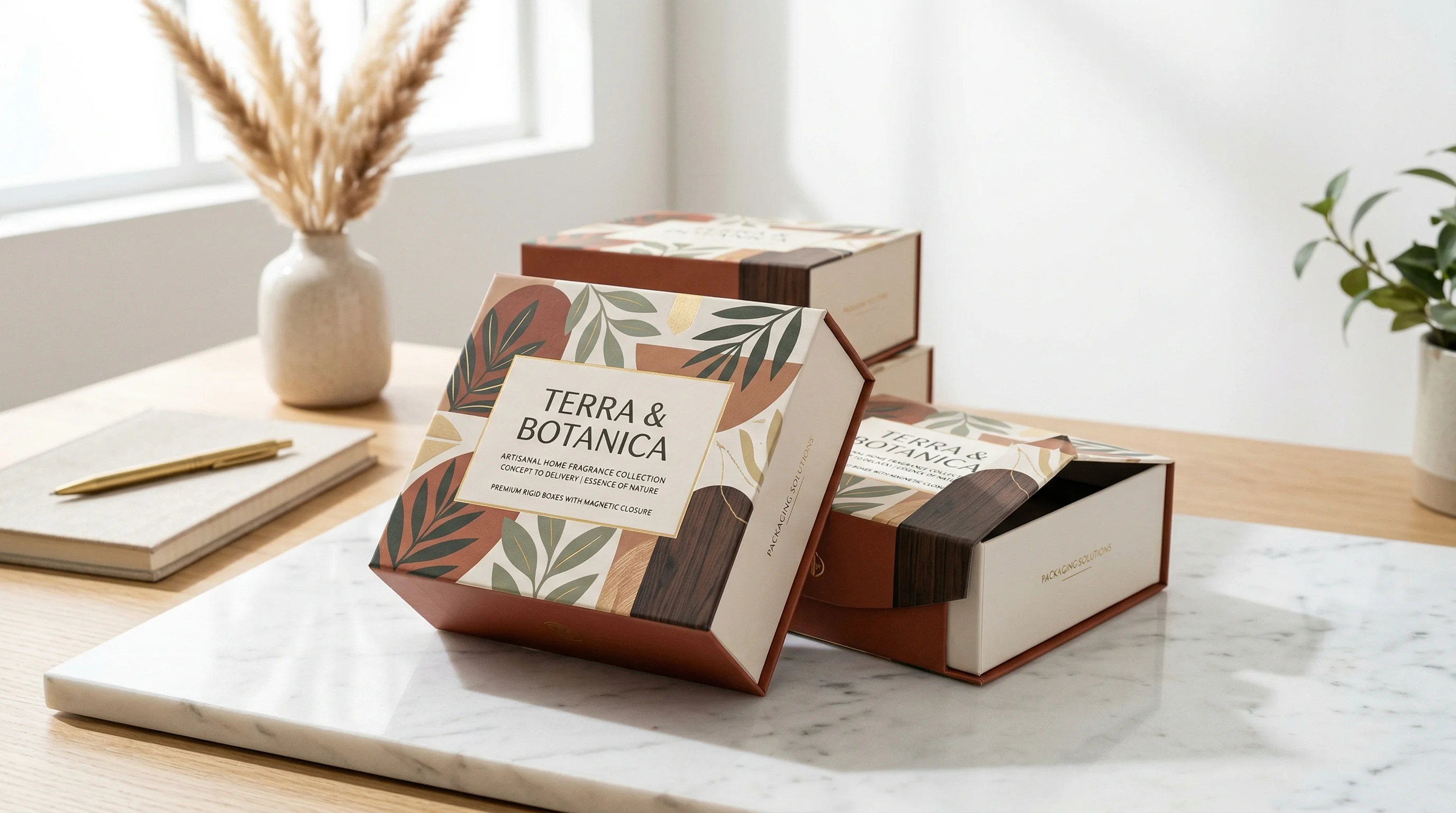
Understanding exactly how Cubit Packaging works: from concept to delivery requires looking at the five specific stages of our manufacturing cycle. The process is a straightforward system combining structural engineering, material selection, physical prototyping, bulk production, and logistics into a single managed workflow. We take your initial product dimensions and brand requirements, engineer a physical structural layout known as a dieline, create testable physical prototypes, manufacture the final boxes at scale, and ship them flat on standard pallets to your fulfillment center.
Custom corrugated mailers cost between $0.75 and $2.50 per unit at volumes of 1,000 or more, and the entire production cycle typically requires four to six weeks. Getting your packaging right means avoiding rush fees, minimizing transit damage, and keeping your per-unit costs under control.
Most brands approach buying boxes like they buy office supplies. But custom packaging is actually a custom manufacturing project. Every single box requires specific tooling, accurate color management, and tight physical tolerances to ensure the final product folds correctly on your assembly line.
In this guide:
Every project starts with defining exactly what the box needs to do. A box holding a heavy glass candle requires a completely different structural approach than a box holding a lightweight cotton t-shirt. When you first sit down with our team, we ignore the graphic design and focus entirely on the physical requirements.
We ask about your product dimensions, the weight of the items, and your specific fulfillment process. If your warehouse workers need to pack 500 orders a day, an intricate box with six internal inserts will slow them down and cost you money in hourly labor. A structural packaging assessment during the initial scoping phase reduces late-stage redesign costs by up to 22% for mid-market e-commerce brands.
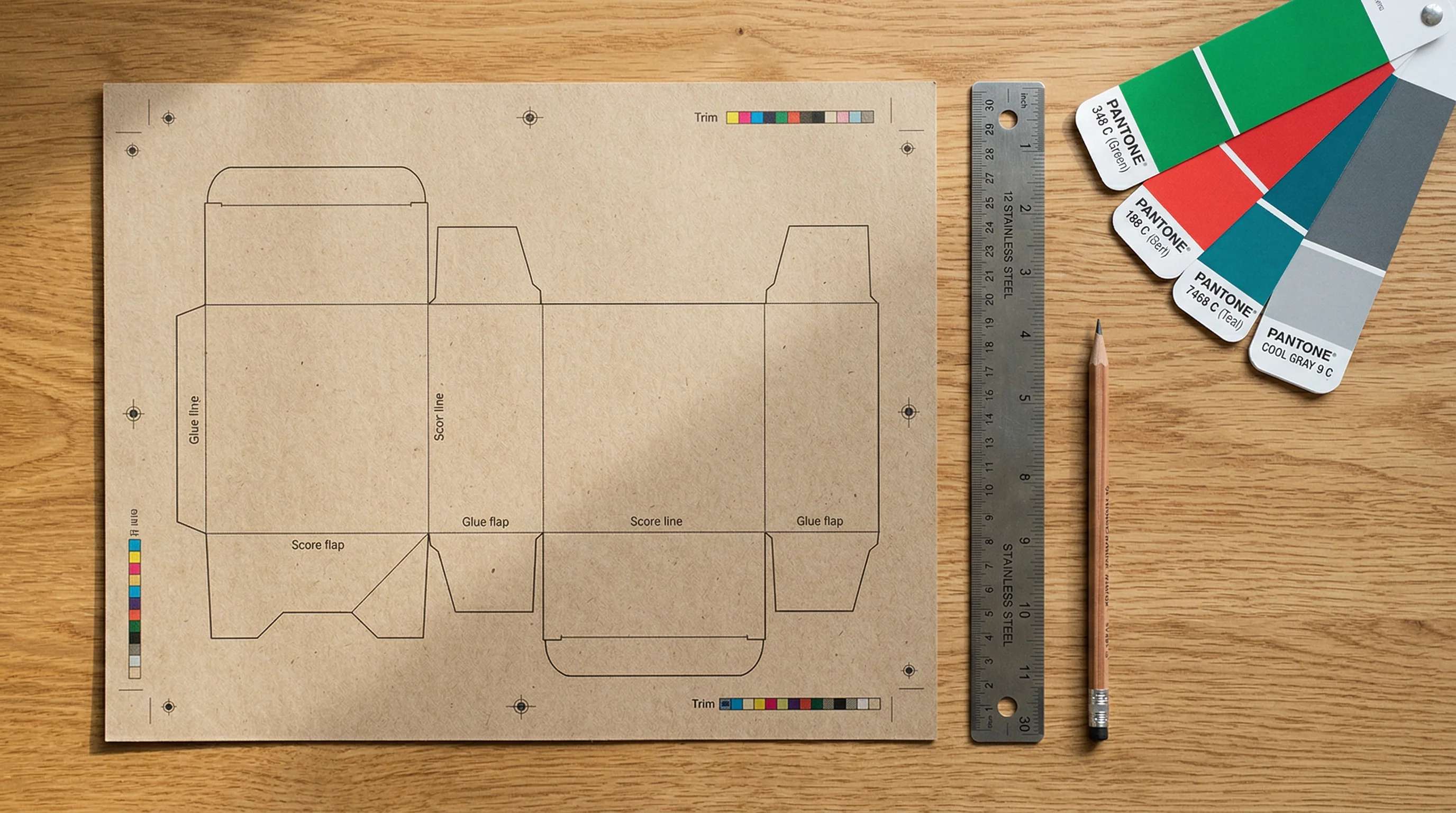 Overhead flat-lay photography of packaging dielines printed on kraft paper next to a metal ruler, pencil, and pantone color swatches on a warm oak table
During this phase, we also look at your shipping methods. A box traveling on retail pallets to a big-box store faces different hazards than a single parcel shipped through the postal system. Once we have these details mapped out, our structural engineers create a digital dieline. Think of a dieline as the architectural blueprint for your box. It shows exactly where the paper needs to be cut, scored, and folded. You can start a custom packaging project with just your basic dimensions, and our team will handle the dieline creation.
The next step is choosing the actual paperboard or corrugated material. This decision impacts both your unit cost and the safety of your product. Many brands want the thickest material possible, assuming it offers better protection. But thicker boards cost more to ship and can be harder to fold precisely.
We guide you through the primary substrate options based on your specific application.
| Material Type | Best Application | Industry Standard Thickness | Cost Profile | Minimum Volume |
|---|---|---|---|---|
| Solid Bleached Sulfate (SBS) | Cosmetics, supplements, retail | 16pt to 24pt | Moderate | 500+ |
| Kraft Paperboard | Natural products, apparel | 18pt to 24pt | Low | 500+ |
| E-Flute Corrugated | E-commerce mailers, heavy items | 1/16 inch thick (32 ECT) | Moderate to High | 1,000+ |
| Rigid Board (Chipboard) | Luxury goods, electronics | 40pt to 60pt (wrapped) | High | 1,000+ |
If you sell heavy items online, we almost always recommend corrugated materials with an Edge Crush Test (ECT) rating of at least 32. This rating means the board can withstand 32 pounds of vertical pressure per square inch before collapsing. For lighter retail items, 18pt Solid Bleached Sulfate (SBS) offers a smooth, bright white surface that holds printed ink exceptionally well.
We also prioritize responsible sourcing. Cubit offers materials certified by the Forest Stewardship Council (FSC), meaning the paper comes from responsibly managed forests that provide environmental, social, and economic benefits. Choosing FSC-certified recycled paperboard helps you meet your corporate sustainability goals without compromising on box strength. You can explore many of these options in our standard folding cartons catalog.
You should never order 10,000 boxes without folding one with your own hands. Moving from a digital file to a physical object is where we catch 90% of potential issues.
Once you approve the digital dieline, we cut a physical prototype. We call this a "white sample" because it uses the actual production material but does not include any printed graphics. Standard custom corrugated mailers require 3-5 business days for initial physical prototype creation before moving to final print approvals.
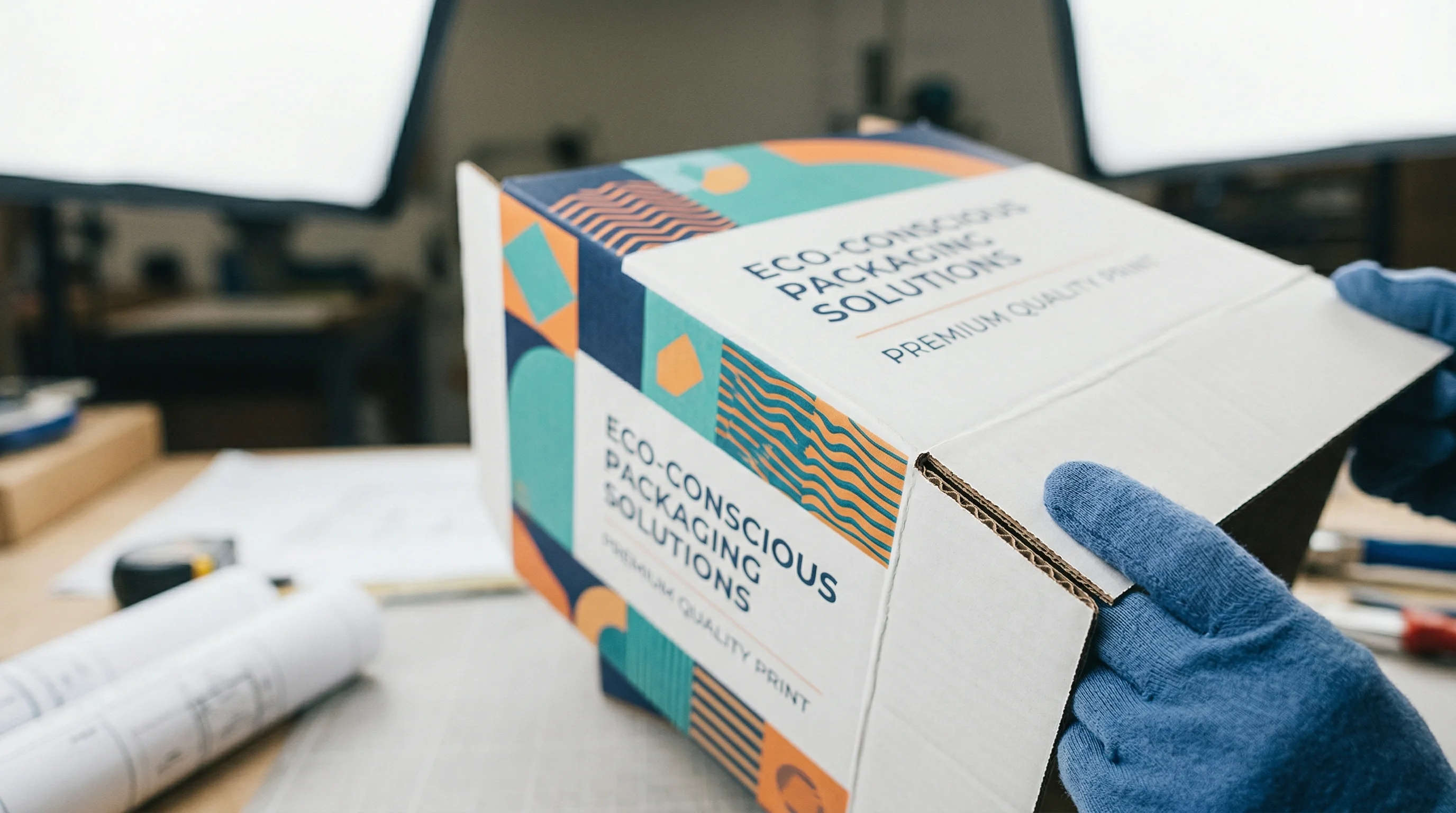 Close-up macro photography of a person folding an unprinted white corrugated cardboard box sample, shallow depth of field focusing on the E-flute edge texture
We ask you to take this white sample and pack it exactly as you would in reality. Put your product inside. Shake it. Drop it. Does the product rattle around? Does the closure tab stay firmly tucked? If you are shipping fragile items, we recommend submitting the loaded prototype to an independent lab for International Safe Transit Association (ISTA) testing. ISTA 3A testing simulates the exact drops, vibrations, and temperature changes your package will experience during standard parcel delivery.
If the prototype fails or feels loose, we go back to the structural design phase and adjust the dieline by fractions of an inch. We repeat this process until the fit is perfect. Only then do we move forward with your graphic artwork.
When the physical structure is approved and your graphic artwork is applied to the dieline, we move into manufacturing. Bulk printing is a complex industrial process, and understanding it helps explain why minimum order quantities exist.
For large runs of folding cartons, we use lithographic printing. This requires us to manufacture custom metal plates for your specific design. The setup costs for lithographic plates run between $300 and $800 depending on the number of colors. This is why a run of 500 boxes might cost $3.00 per unit, while a run of 10,000 drops the price to $0.85 per unit. The heavy setup cost gets distributed across more units.
For high-volume corrugated boxes, like the ones you find in our mailer categories, we often use litho-lamination. We print your graphics onto a thin sheet of high-quality paper and then glue that paper directly onto the thick corrugated board. This gives you the strength of a shipping box with the high-resolution print quality of a luxury retail package.
Based on the packaging orders we process at Cubit, we've found that shifting from standard CMYK digital printing to dedicated Pantone spot colors for specific brand assets increases perceived color accuracy by nearly 40% across different lighting environments.
Throughout the printing and cutting process, we maintain strict quality control parameters aligned with ISO 9001:2015 quality management certification standards. We pull samples off the manufacturing line at regular intervals to check color consistency, glue adhesion, and cut precision. If a die-cutting blade gets dull and leaves rough edges, we stop the machine, replace the blade, and discard the defective units.
The final step in the process is getting your finished boxes from our manufacturing facility to your warehouse. Packaging is inherently bulky. You are essentially paying to move empty air. Managing freight costs is a massive part of a successful packaging strategy.
We ship nearly all custom boxes flat. Shipping boxes flat on standard 48x40 inch wooden pallets allows brands to fit between 2,000 and 4,000 folding cartons per pallet, drastically lowering freight costs. We secure these flat stacks with industrial banding and heavy-duty stretch wrap to prevent the corners from crushing during transit.
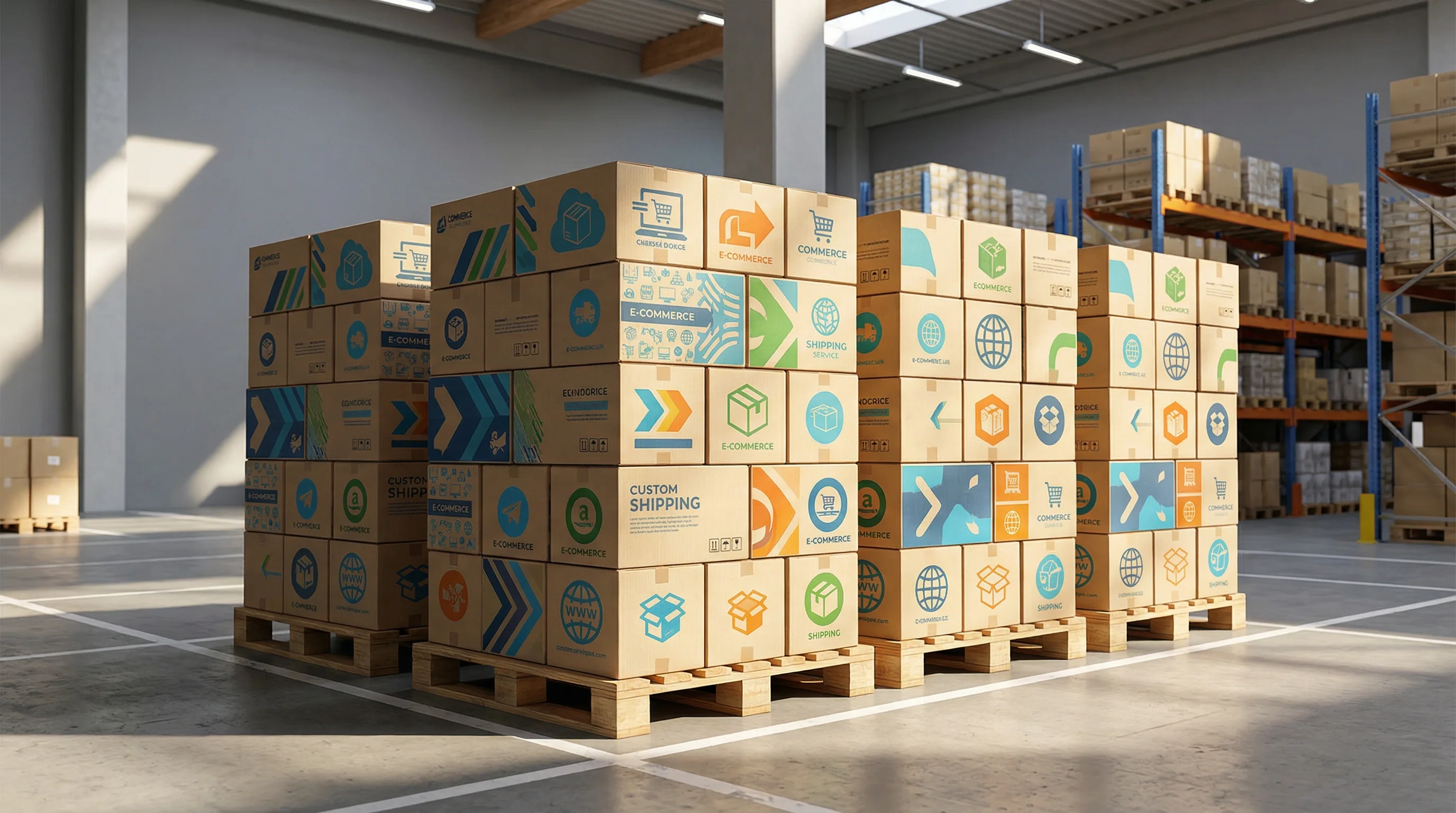 Wide establishing shot of stacked custom printed shipping boxes on standard wooden pallets in a clean, modern warehouse setting
When planning your final box sizes, we also help you optimize for Dimensional Weight (DIM weight) pricing. Carriers like FedEx, UPS, and USPS charge based on the size of the box, not just its physical weight. A box that is 12x12x12 inches has a DIM weight of roughly 13 pounds, even if you are only shipping a 2-pound sweater. Shaving just half an inch off the height of your custom box can drop it into a lower pricing tier. Standardizing your box sizes to reduce void fill can cut your dimensional weight shipping costs by 15-20% per package.
Once your pallets arrive at your 3PL or warehouse, your team takes over. Because we perfected the dieline during the prototyping phase, the boxes will pop open easily and fold cleanly, keeping your fulfillment lines moving fast.
The full timeline for how Cubit Packaging works: from concept to delivery generally takes four to six weeks. Structural design and prototyping take about one week, artwork approval takes a few days, and bulk manufacturing with final shipping takes three to four weeks depending on volume.
Minimum order quantities depend on the material and printing method. Standard folding cartons usually require a minimum of 500 units to be cost-effective. Custom corrugated mailers typically start at 1,000 units to justify the setup costs for custom cutting dies and print plates.
Yes. We strongly recommend testing a structural white sample before mass production. This unprinted prototype allows you to test your product fit, check the folding process, and ensure the material strength meets your needs before applying graphic artwork.
Yes, we provide numerous environmentally friendly options. We offer materials certified by the Forest Stewardship Council (FSC), 100% recycled paperboard, and kraft corrugated materials that are fully recyclable in standard municipal curbside programs.
When looking at how Cubit Packaging works: from concept to delivery, logistics is the final major step. We ship your custom boxes flat and stacked on standard wooden pallets. This method maximizes the number of boxes per truckload and significantly lowers your overall freight costs.
Making custom packaging work for your business comes down to respecting the manufacturing process. By treating your boxes as engineered products rather than disposable wrapping, you protect your merchandise and control your bottom line. Ready to start building your next box? Get a free quote for your packaging project and speak directly with our structural engineering team today.
Ready to order custom packaging? Custom Mailer Boxes → | Custom Folding Cartons → | Custom Mylar Bags → — full-color printing, free design support. From 500 units. Browse all products →
Design your packaging free in 60s
Try the free AI packaging design toolNeed Custom Packaging?
Get a free quote with pricing, MOQs, and turnaround time for your custom packaging project.