
Sustainability
Eco-Friendly Packaging: Sustainable Materials, Costs & Certifications
Cubit Editorial Team
May 22, 2026
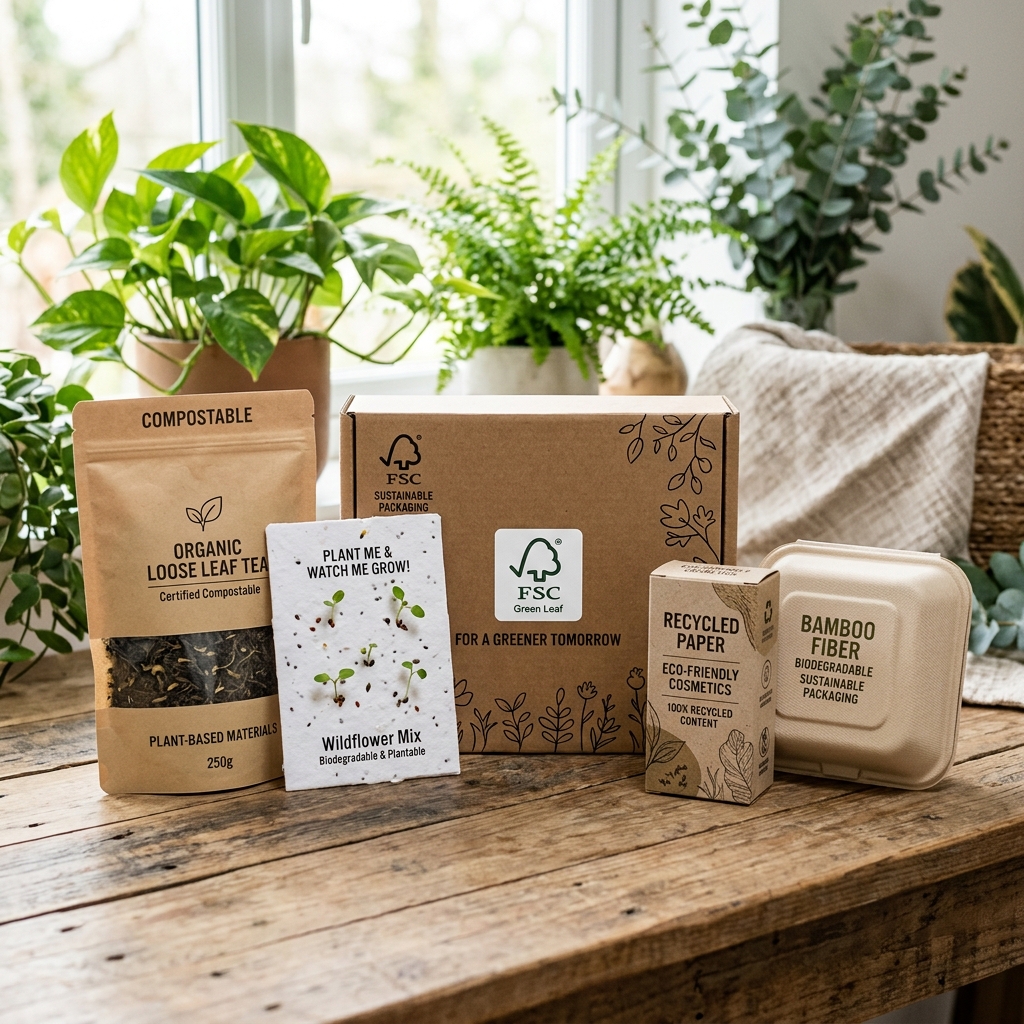
Eco-friendly packaging is packaging designed to minimize environmental impact through recyclable, biodegradable, compostable, or reusable materials, reduced material usage, and responsible sourcing. It encompasses the full lifecycle — from raw material extraction through disposal or recycling.
The sustainable packaging market reached $274.9 billion globally in 2025 and is projected to grow at 7.1% CAGR through 2030 (MarketsandMarkets, 2025). Consumer demand is the primary driver: 73% of global consumers say they would change their consumption habits to reduce environmental impact (Nielsen, 2024).
Made from 30-100% post-consumer recycled content. Performs identically to virgin paperboard for most applications. The most accessible sustainable packaging option with minimal cost premium (0-8% over virgin). Learn about Cubit Green materials
Sourced from responsibly managed forests verified by the Forest Stewardship Council. FSC certification is the gold standard for paper-based packaging sustainability. Cost premium: 5-10% over non-certified.
Made from plant-based materials (PLA, bagasse, bamboo fiber) that break down in commercial composting facilities within 90-180 days. Popular for food service packaging. Cost premium: 15-30% over conventional.
Paper embedded with wildflower or herb seeds that grows into plants when buried. Used for premium packaging inserts, hang tags, and wrapping. Cost: $0.50-$2.00 per piece. Plantable packaging options
Grown from agricultural waste and mycelium (mushroom roots) in custom molds. Replaces EPS foam for protective packaging. Fully compostable in 45 days. Cost premium: 25-40% over EPS foam but declining rapidly.
| Certification | What It Covers | Requirements | Cost to Obtain |
|---|---|---|---|
| FSC | Responsible forestry | Chain of custody audit | $2,000-$10,000/year |
| SFI | Sustainable forestry (North America) | Chain of custody audit | $1,500-$5,000/year |
| BPI Compostable | Compostability (ASTM D6400) | Lab testing + certification | $5,000-$15,000 |
| How2Recycle | Recyclability labeling | Application + label review | $500-$5,000/year |
| Cradle to Cradle | Full lifecycle sustainability | Third-party assessment | $15,000-$50,000 |
| Material | Conventional Cost | Eco-Friendly Cost | Premium |
|---|---|---|---|
| Folding Cartons | $0.35-$0.80 | $0.38-$0.88 | +5-10% |
| Mailer Boxes | $1.20-$3.50 | $1.30-$3.85 | +8-10% |
| Stand-Up Pouches | $0.15-$0.60 | $0.20-$0.80 | +15-30% |
| Shipping Boxes | $0.70-$2.00 | $0.70-$2.00 | +0% (recycled content) |
| Labels | $0.03-$0.15 | $0.04-$0.18 | +10-20% |
Most eco-friendly packaging costs 5-15% more than conventional options. Recycled paperboard and FSC-certified materials add only 5-10%. Compostable films and specialty materials like seed paper add 15-30%. However, recycled corrugated (for shipping boxes) costs the same as virgin corrugated because recycled fiber is the industry standard.
Recycled paperboard with soy-based inks and water-based coatings is the most practical sustainable packaging for most brands. It is widely recyclable, cost-effective, and performs identically to virgin material. For maximum sustainability, combine recycled content with FSC certification and minimal ink coverage.
Start with the easiest switch: move to recycled corrugated for shipping boxes (zero cost premium). Then switch folding cartons to FSC-certified or recycled paperboard (5-10% premium). Finally, replace plastic packaging elements with compostable alternatives (15-30% premium). Most brands can complete this transition in 2-3 reorder cycles.
FSC (Forest Stewardship Council) certification means the paper or board was sourced from forests that are managed responsibly — protecting biodiversity, indigenous rights, and forest regeneration. Look for the FSC Mix label (most common for packaging) which means the product contains a mix of FSC-certified and controlled wood sources.
Cubit offers eco-friendly packaging from $0.15/unit — FSC kraft, recycled corrugated, compostable PLA, molded pulp. ASTM D6400 & FSC certified. 500 MOQ.
Design your packaging free in 60s
Try the free AI packaging design toolNeed Custom Packaging?
Get a free quote with pricing, MOQs, and turnaround time for your custom packaging project.