
The B2B Guide to Custom Vacuum Seal Pouches for Food Processing and Sous-Vide
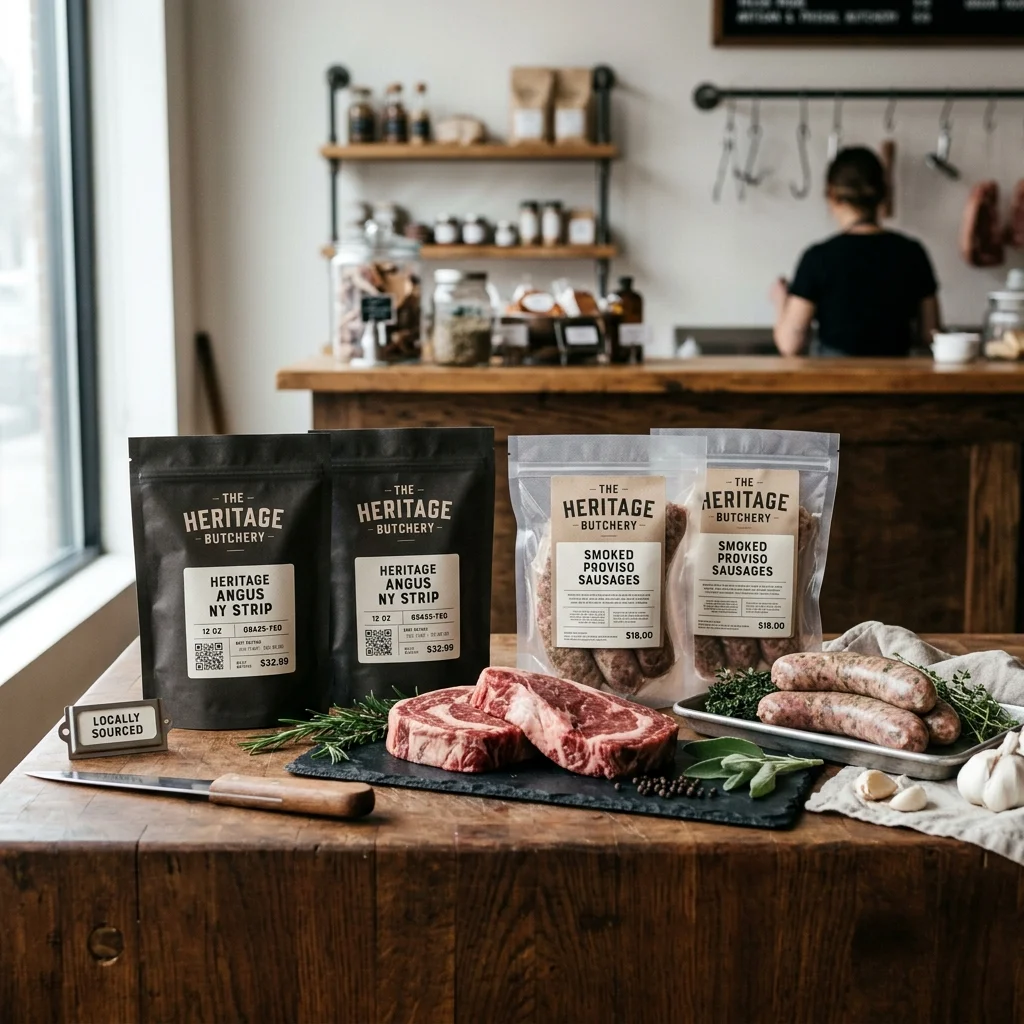
The B2B Guide to Custom Vacuum Seal Pouches for Food Processing and Sous-Vide
In the meat, seafood, and dairy processing sectors, maintaining product freshness and preventing spoilage during transit and retail storage are essential to profitability. Oxygen exposure is the single largest cause of food degradation, causing discoloration, rancidity, and bacterial growth.
Custom Vacuum Seal Pouches provide a commercial barrier solution that evacuates air and forms a tight protective skin around fresh food products. Used extensively across butcheries, commercial kitchens, and vacuum packaging lines, these pouches dramatically extend shelf life.
In this B2B guide, we will examine the material composition of PA/PE co-extruded films, chamber vs. suction sealer compatibility, and sous-vide cooking performance.
1. Co-Extrusion Film Technology: PA vs. PE
High-performance vacuum pouches rely on a multi-layer co-extrusion structure combining two key polymers:
Polyamide (Nylon / PA) Outer Layer
Nylon provides gas barrier properties and mechanical toughness. It resists punctures from sharp bone edges, frozen corners, and rough handling while blocking oxygen ingress.
Polyethylene (PE) Inner Sealing Layer
Polyethylene is an FDA food-contact approved polymer that melts smoothly at low sealing temperatures, creating airtight, leak-proof perimeter seals.
Multi-Layer Barrier Synergy
By co-extruding PA and PE layers together, the resulting film combines the gas-blocking strength of Nylon with the heat-sealability of Polyethylene, creating a flexible pouch that holds deep vacuum pressure indefinitely.
Order Your Packaging Today
Get started on your custom branding with custom Vacuum Seal Pouches directly from our online marketplace, or build a personalized quote at our RFQ Procurement portal.
Design your packaging free in 60s
Try the free AI packaging design tool