
Packaging Guides
A guide to custom Airless Pump Bottles for growing beauty brands
Cubit Team
June 26, 2026
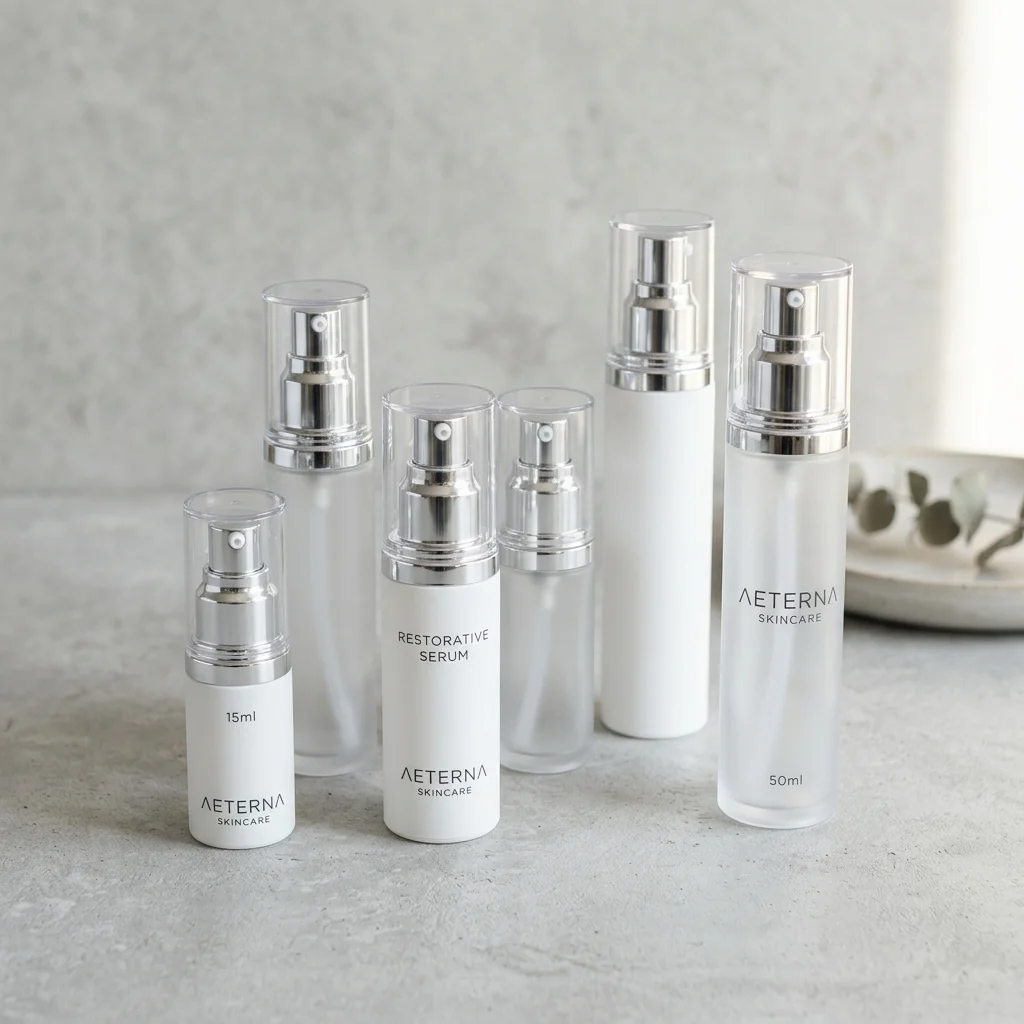
Custom Airless Pump Bottles are advanced packaging containers designed to protect sensitive cosmetic formulations from air exposure, light, and contaminants. By using a mechanical piston and a vacuum seal instead of a traditional dip tube, these bottles draw product upward as the user presses the pump. This dispensing method is highly beneficial for modern beauty brands that use active ingredients like vitamin C, retinol, or organic plant extracts, which degrade quickly when exposed to oxygen. Implementing custom Airless Pump Bottles can extend the shelf life of natural formulas by up to 40% and achieve a product evacuation rate of over 98%, ensuring that consumers can use almost every drop of the product they purchased.
For growing beauty companies, selecting the right packaging is a major operational decision. Sourcing containers that preserve product integrity while matching your brand identity requires an understanding of materials, mechanics, and decoration processes. This guide outlines the technical aspects of airless packaging to help you choose the best options for your product line.
In this guide:
In standard cosmetic packaging, a plastic tube extends from the pump head to the bottom of the bottle. Every time a consumer pumps the product, air rushes back into the container to replace the displaced liquid. This air carries oxygen, moisture, and airborne bacteria, which can quickly compromise the chemical stability of your formula. For skincare brands using clean beauty standards, this constant exposure forces chemists to add stronger synthetic preservatives to prevent spoilage and separation.
Custom Airless Pump Bottles solve this issue by creating a sealed, pressurized environment. When the pump is depressed, a tiny valve in the dispensing head opens, and a vacuum is created inside the chamber. Rather than drawing air in, the vacuum pulls a plastic piston or follower plate upward from the base of the bottle. This action forces the product out while keeping the remaining formula completely sealed from the outside environment. This is a highly functional engineering solution for skincare products.
This protection is vital for formulas containing sensitive actives. Vitamin C, or L-ascorbic acid, oxidizes rapidly when exposed to air, turning from clear or light yellow to a dark brown, which renders it ineffective and can irritate the skin. Retinol and certain peptide chains also degrade under exposure to oxygen and light. By utilizing an airless system, you can reduce formula oxidation by up to 85% compared to open-air jars or traditional pump systems.
Furthermore, this technology complies with rigorous cosmetic safety standards, such as those set by the European Commission and the United States Food and Drug Administration (FDA). Preventing human contact with the unused formula inside the container lowers the risk of bacterial contamination from fingers. This allows brands to develop cleaner, organic-certified products with fewer synthetic additives, which is a major selling point in the modern cosmetic market.
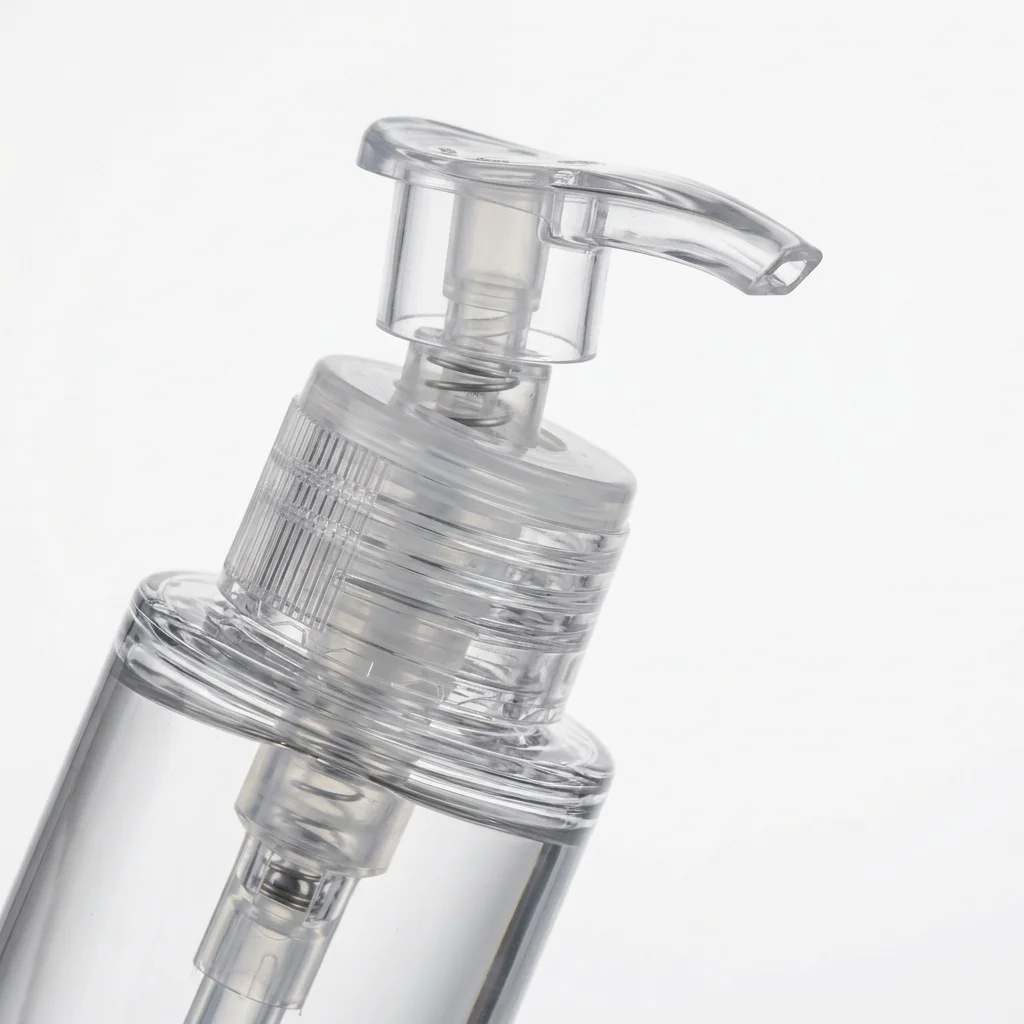 Detailed view of a clear plastic airless pump mechanism
Selecting the appropriate raw material for your custom Airless Pump Bottles is essential for chemical compatibility, durability, and brand positioning. The most common materials used in manufacturing these bottles include Polypropylene (PP), Polyethylene Terephthalate Glycol (PETG), Acrylic (PMMA), and Post-Consumer Recycled (PCR) plastics. Each material has distinct physical properties, cost profiles, and recycling characteristics that affect your bottom line.
Polypropylene (PP) is the industry standard for most skincare products. It is highly chemical-resistant, durable, and lightweight. PP is also widely accepted in curbside recycling programs, indicated by resin identification code 5. It has a naturally translucent or matte appearance, but manufacturers can easily color it during injection molding.
Polyethylene Terephthalate Glycol (PETG) provides a glass-like clarity and high impact resistance. It is heavier than PP, which gives it a more premium weight in the hand. However, PETG is more expensive and has slightly lower chemical resistance to certain essential oils and heavy solvents compared to PP.
Acrylic (PMMA) is often used for high-end luxury cosmetics because of its glass-like appearance and thick-wall construction. Acrylic bottles are highly rigid and scratch-resistant, but they are difficult to recycle because they consist of multiple layers of different materials.
Post-Consumer Recycled (PCR) plastics are increasingly popular as brands strive to meet environmental regulations, such as California's SB 343 or the European Union's packaging waste directives. Using PP or PET bottles containing 30% to 50% PCR content helps reduce your brand's carbon footprint while maintaining the performance of virgin plastics. This is an important consideration for brands aiming for sustainable beauty packaging.
| Material | Visual Appearance | Chemical Resistance | Durability | Recyclability | Relative Cost |
|---|---|---|---|---|---|
| Polypropylene (PP) | Translucent / Matte | Excellent | High | High (Resin Code 5) | Economical |
| PETG | Glass-like / Glossy | Good | High | Medium (Resin Code 1) | Moderate |
| Acrylic (PMMA) | Premium Glass-like | Fair | Very High | Low (Multi-material) | Premium |
| PCR Plastic (PP/PET) | Slightly Off-White | Good to Excellent | High | High (if sorted) | Moderate to High |
Before committing to a material, you must conduct stability testing. This process involves storing your formula inside the chosen container at elevated temperatures, typically 40 degrees Celsius, for 12 weeks to ensure no chemical reactions occur between the product and the plastic wall.
When sourcing custom Airless Pump Bottles, you will encounter two primary mechanical designs: piston-based systems and pouch-based, or bag-in-bottle, systems. Understanding how these systems handle different liquid thicknesses is necessary to avoid dispensing failures. The mechanism you choose will also dictate how your bottles must be filled by your contract manufacturer.
Piston systems are the most common. They feature a rigid plastic cylinder containing a small, movable plastic plate at the bottom. The formula sits on top of this plate. As the pump is pressed, the vacuum pulls the plate upward. These systems require formulas with a specific viscosity, such as medium-to-thick creams, lotions, and gels. If the formula is too thin, like a watery toner or a facial oil, it can leak past the edges of the piston plate into the bottom chamber, causing the pump to fail.
Pouch-based systems use a flexible, collapsible inner bag inside a rigid outer container. The formula is filled directly into this inner bag. As the product is pumped out, the bag collapses inward, separating the product from the outer air wall. This design is highly effective for low-viscosity formulas, including thin serums, oils, and liquid foundations. Because the bag collapses completely, pouch systems can achieve a 99% evacuation rate, leaving virtually no product residue behind.
In addition to the internal engine, you must choose between top-fill and bottom-fill assemblies. Top-fill bottles are filled through the neck of the bottle, and the pump engine is snapped or screwed on afterward. This style is easier for smaller brands using hand-filling equipment or basic machinery. Bottom-fill bottles are filled upside down through a wide opening in the base, and the piston plate is pushed in after filling. Bottom-fill systems require specialized high-speed filling machinery but offer a much lower risk of air entrapment during production.
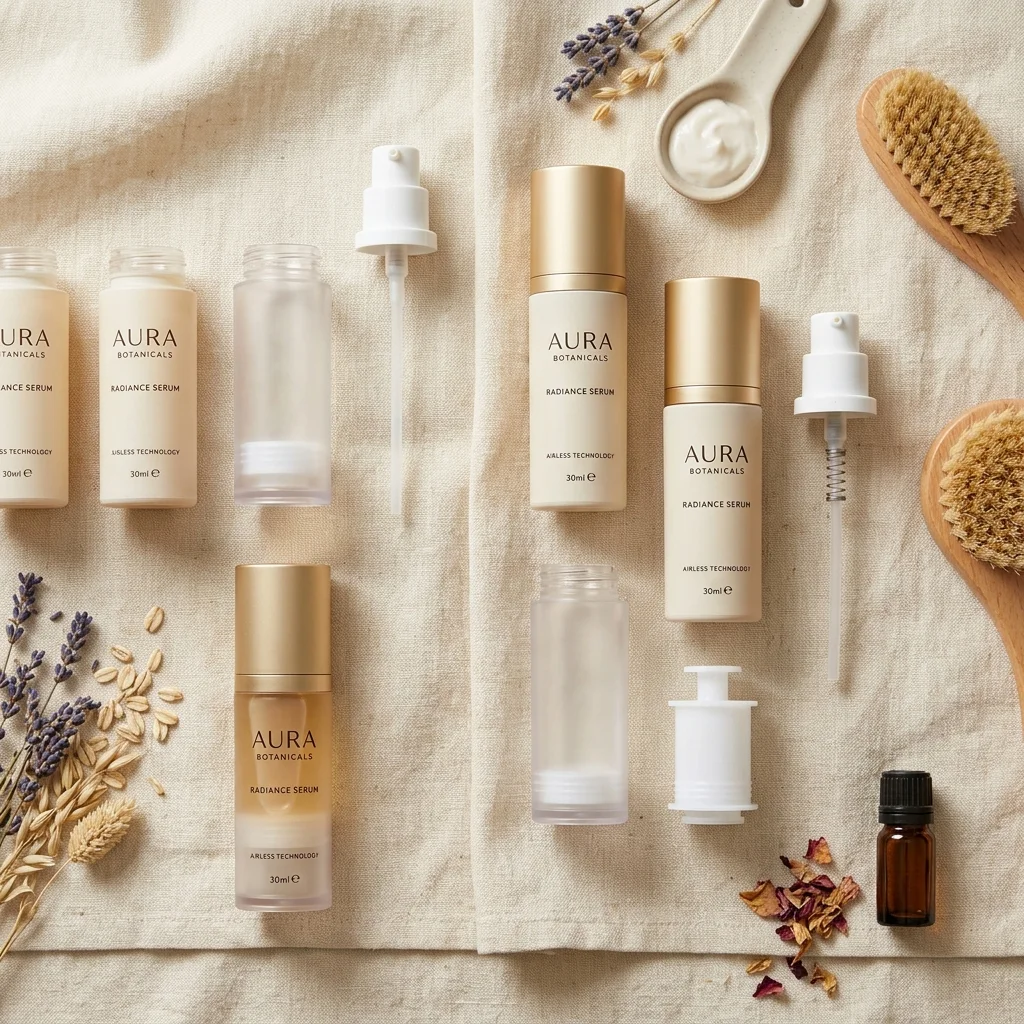 Assembled and disassembled airless bottles showing inner components
Customization is where your packaging aligns with your brand identity. Since airless containers are opaque or double-walled, you have a large surface area for branding, labeling, and decoration. Customizing these bottles involves selecting specific colors, finishes, and printing techniques that resonate with your target market. These physical design details can be explored in our packaging design services section.
Color matching is the first step. Manufacturers use the Pantone Matching System (PMS) to ensure the plastic resin matches your exact brand colors. You can choose from solid colored plastics, translucent tints, or custom pearlescent and metallic additives mixed into the plastic during the molding process.
After defining the base color, you must select a finish. A matte finish gives the bottle a soft, modern texture that resists fingerprints, while a glossy finish offers a bright, reflective surface. You can also apply a soft-touch coating, which gives the plastic a velvety, premium feel in the hand.
For branding and text placement, several decoration techniques are available:
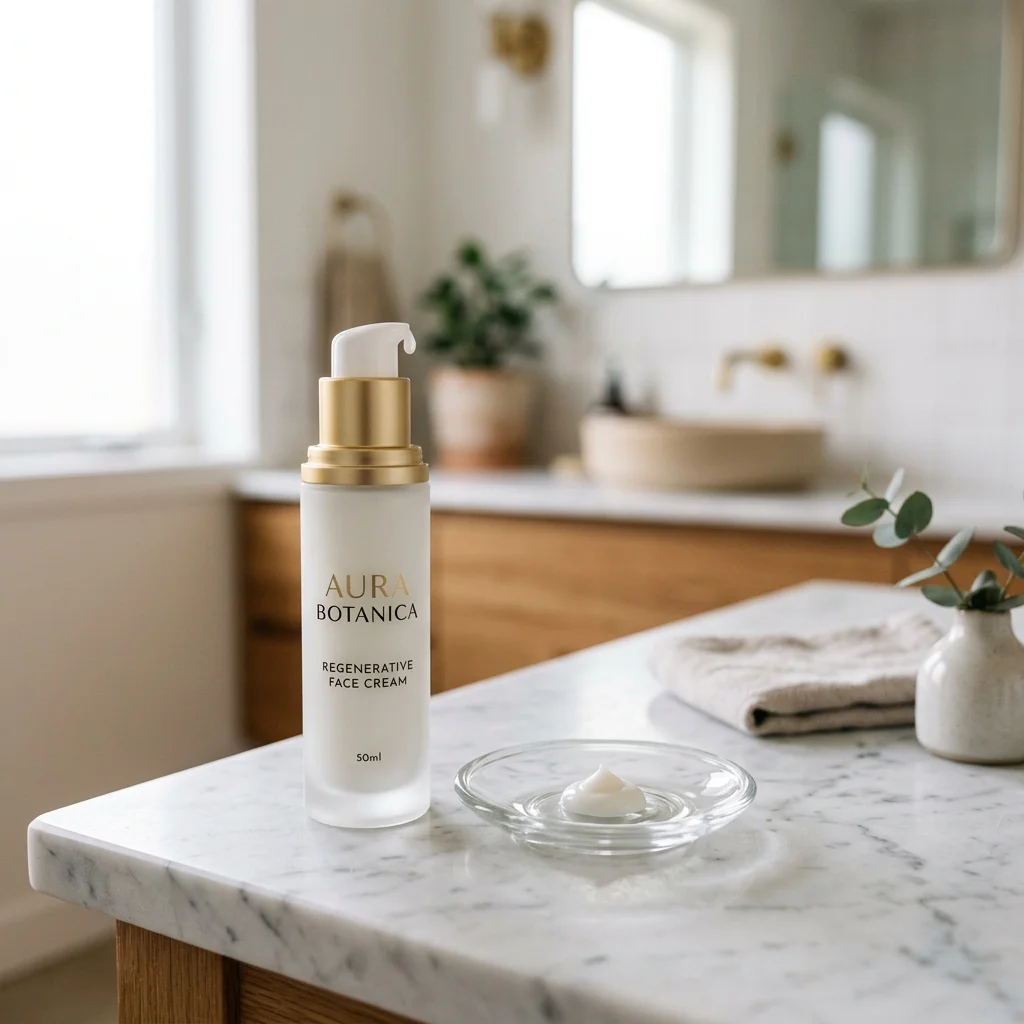 Custom printed airless pump bottles on display
When designing your artwork, remember to leave space for regulatory requirements. Depending on where you sell your products, you may need to include the net weight, ingredient deck, batch code, and recycling symbols. These details are typically printed on the back of the bottle or on a small label applied to the base. If you need help coordinating these design assets, check out our custom cosmetic packaging resources.
Sourcing custom Airless Pump Bottles requires planning around minimum order quantities (MOQs) and production schedules. Because the manufacturing of these bottles involves multiple molded parts, including the actuator, collar, pump engine, piston, and bottle body, the setup costs for factory production runs are relatively high.
Standard custom runs for basic PP airless bottles usually start at an MOQ of 5,000 units per size and color. If you require specialized materials like PCR plastics or custom-molded shapes, MOQs can increase to 10,000 or 20,000 units. For early-stage brands, these quantities can represent a significant upfront investment. To manage cash flow, some brands opt for in-stock, blank airless bottles in smaller quantities, such as 1,000 units, and apply custom adhesive labels instead of direct printing.
Production lead times are another critical factor. A typical manufacturing cycle for custom-decorated bottles takes between 8 and 12 weeks from the time design proofs are approved. This timeline includes molding the components, color matching, surface printing, assembly, quality control testing, and packaging. Shipping via ocean freight can add another 4 to 6 weeks to the delivery schedule, while air freight is faster but increases shipping costs by up to 300%.
To avoid delays, we recommend starting the sourcing process at least 6 months before your planned product launch. This window allows ample time for formula stability testing, physical sample approval, and any unexpected customs delays. When you are ready to start planning, you can request a custom quote to get accurate pricing and lead times for your specific volume.
Based on the packaging orders we process at Cubit, we've found that skincare brands transitioning from standard dip-tube bottles to custom Airless Pump Bottles see average customer return rates drop by 22% due to fewer complaints about clogged dispensers or spoiled ingredients.
Custom Airless Pump Bottles use a mechanical piston pump and a vacuum seal instead of a dip tube. When you press the pump, it creates a vacuum that pulls an internal plastic plate upward from the base of the bottle. This pushes the product out of the nozzle while keeping the remaining formula sealed from air exposure.
Most custom Airless Pump Bottles are designed for single use because the pump mechanism is permanently sealed during the manufacturing process to maintain airtight integrity. However, some specialized designs feature refillable cartridges where the inner product pod can be replaced while keeping the outer acrylic shell and pump head.
Formulas containing heavy solids, physical exfoliants, or highly abrasive particles can clog the delicate valves in the pump engine. Extremely watery liquids can also leak past the piston seal in standard piston-driven bottles, requiring a pouch-based airless system instead to prevent dispensing failures.
For fully customized production runs, including custom color matching and direct silk screen printing, the typical minimum order quantity starts at 5,000 units per size. Some manufacturers offer blank, in-stock airless bottles with lower MOQs of 1,000 units, which can be customized using adhesive labels.
Airless bottles generally cost 20% to 40% more than traditional dip-tube bottles due to the complex multi-component pump engine and precise assembly requirements. However, this upfront cost is often offset by reduced formulation spoilage, longer shelf life, and the ability to command a higher retail price point.
Selecting the right packaging is a key step in scaling your beauty brand. Custom Airless Pump Bottles protect your formulations from spoilage and give your products a professional, premium look that appeals to modern consumers. By understanding the mechanical options, material choices, and sourcing steps, you can make an informed packaging decision that protects your product quality and supports your business growth.
Ready to explore packaging options for your next product line? Get a free quote for your packaging project and speak with our packaging experts today to find the ideal custom Airless Pump Bottles for your formulation.
Get started on your custom branding with custom Airless Pump Bottles directly from our online marketplace, or build a personalized quote at our RFQ Procurement portal.
Design your packaging free in 60s
Try the free AI packaging design toolNeed Custom Packaging?
Get a free quote with pricing, MOQs, and turnaround time for your custom packaging project.