
Materials & Specs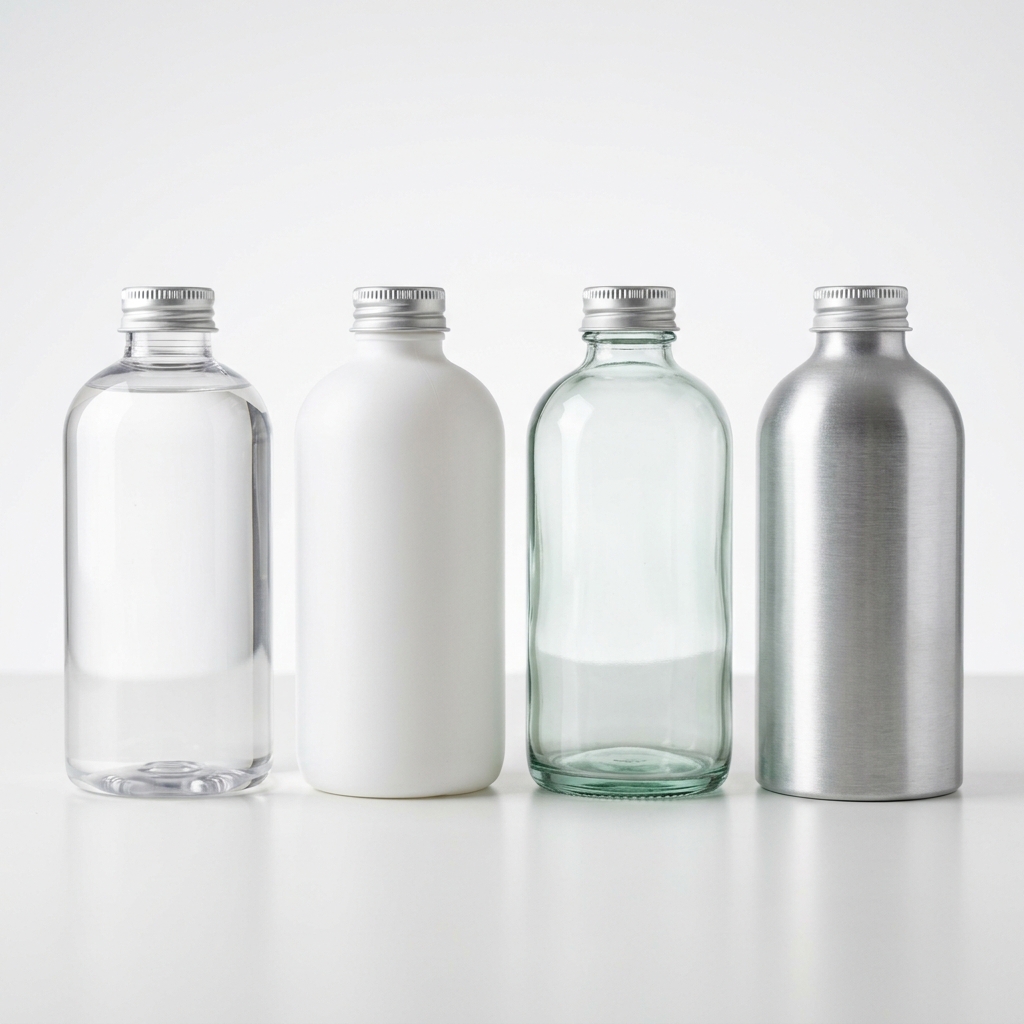
PET vs HDPE vs Glass Bottles: Which Material Is Right for Your Product? (2026)
Cubit Packaging Team
May 13, 2026
4 min read
Quick Answer: PET is the most versatile and affordable plastic bottle material (food-safe, lightweight, recyclable). HDPE is the most chemically resistant (ideal for cleaning products and supplements). Glass is the most premium and fully inert (best for cosmetics and spirits).
PET vs HDPE vs Glass: Complete Bottle Material Comparison
Choosing the right bottle material affects your product's shelf life, consumer perception, shipping cost, and sustainability. Here's how to choose.
Quick answer: PET for clear, lightweight bottles (beverages, cosmetics). HDPE for opaque, chemical-resistant bottles (supplements, cleaning). Glass for premium, chemically inert bottles (spirits, perfume, luxury skincare).
PET (Polyethylene Terephthalate)
- Clarity: ★★★★★ Crystal clear
- Weight: ★★★★★ Very lightweight
- Chemical resistance: ★★★☆☆ Good for most products
- Recyclability: ★★★★☆ Widely recyclable (#1)
- Cost: $0.15–$0.80/unit
- Barrier: Good oxygen barrier, moderate moisture barrier
- Best for: Water, juice, soda, salad dressing, shampoo, body wash, cosmetic serums
PET Advantages
- Crystal clarity showcases product color and fill level
- 90% lighter than glass — major shipping savings
- Shatter-resistant — safe for bathrooms and gyms
- Widely recyclable (29% actual recycling rate in US)
PET Limitations
- Not suitable for hot-fill (deforms above 160°F unless heat-set)
- Some chemical interactions with certain essential oils
- Petroleum-based (though rPET from recycled bottles is available)
HDPE (High-Density Polyethylene)
- Clarity: ★☆☆☆☆ Opaque (blocks UV light)
- Weight: ★★★★★ Very lightweight
- Chemical resistance: ★★★★★ Excellent
- Recyclability: ★★★★☆ Widely recyclable (#2)
- Cost: $0.12–$0.60/unit
- Barrier: Good moisture barrier, moderate oxygen barrier
- Best for: Supplements, pills, cleaning products, shampoo, motor oil, detergent
HDPE Advantages
- Blocks UV light — protects light-sensitive products
- Best chemical resistance — safe for acids, bases, solvents
- Squeezable — easy dispensing for thick products
- Cheapest bottle material
HDPE Limitations
- Cannot show product inside (opaque)
- Less premium perception than PET or glass
- Slight plastic odor transfer possible for sensitive products
Glass
- Clarity: ★★★★★ Crystal clear (or tinted amber, cobalt, green)
- Weight: ★☆☆☆☆ Heavy
- Chemical resistance: ★★★★★ Chemically inert
- Recyclability: ★★★★★ Infinitely recyclable
- Cost: $0.50–$5.00/unit
- Barrier: Perfect barrier — zero permeability
- Best for: Perfume, spirits, wine, essential oils, luxury skincare, pharmaceuticals
Glass Advantages
- Zero chemical interaction with contents
- Premium consumer perception — "glass = quality"
- Infinitely recyclable without quality loss
- Amber glass blocks 99% of UV light
- Heat-resistant — safe for hot-fill products
Glass Limitations
- Breakable — requires protective packaging for shipping
- Heavy — 5-10x heavier than PET, significantly higher shipping costs
- Most expensive bottle material
- Custom mold tooling costs $5,000–$15,000
Comparison Table
| Feature | PET | HDPE | Glass |
|---|---|---|---|
| Cost | $0.15–$0.80 | $0.12–$0.60 | $0.50–$5.00 |
| Clarity | Crystal clear | Opaque | Clear or tinted |
| Weight | Very light | Very light | Heavy |
| Shatter-proof | ✅ Yes | ✅ Yes | ❌ No |
| UV protection | ❌ No | ✅ Yes | ✅ Amber/cobalt |
| Chemical inertness | Good | Excellent | Perfect |
| Premium feel | ★★★☆☆ | ★★☆☆☆ | ★★★★★ |
| Recyclable | #1 PETE | #2 HDPE | Infinitely |
| Squeezable | Slightly | ✅ Yes | ❌ No |
Need help choosing the right bottle material? Get a free quote or ask our AI consultant. Browse our bottle collection.
Ready to order custom packaging? Custom Mailer Boxes → | Custom Folding Cartons → | Custom Mylar Bags → — full-color printing, free design support. From 500 units. Browse all products →